

Dubai Duty Free becomes Middle East's first airport retailer to launch Crypto.com Pay
Eligible UAE residents can pay using regulated crypto platform
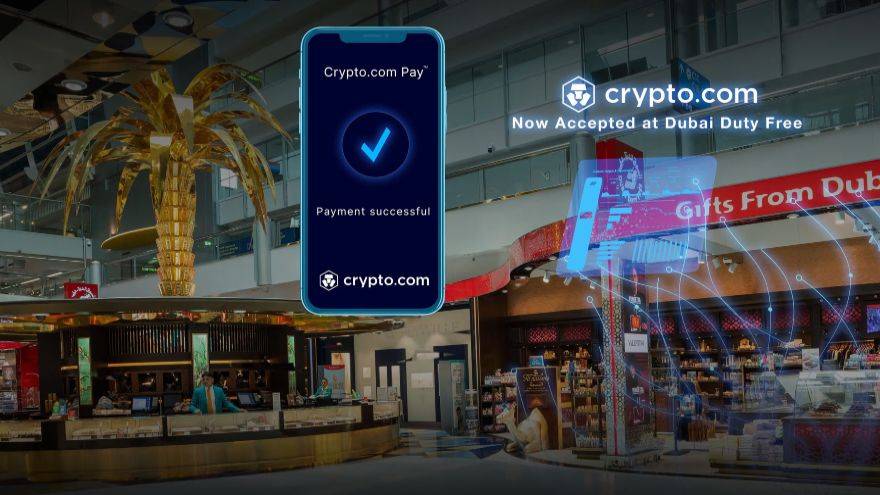
DUBAI – Dubai Duty Free has become the first airport retailer in the Middle East to introduce Crypto.com Pay as a regulated digital payment option for eligible customers.
The service is now available at Dubai International Airport (DXB), Al Maktoum International Airport (AMIA) and on the retailer's official online store. The move marks another step in Dubai Duty Free's digital transformation while supporting Dubai's wider ambitions to strengthen cashless and technology-driven commerce.
Eligible UAE residents can now complete purchases using Crypto.com Pay through the Crypto.com App, with transactions processed through the company's regulated payment infrastructure and settled in UAE currency for Dubai Duty Free.
The launch follows the strategic partnership announced in July 2025, when Dubai Duty Free and Crypto.com signed a Memorandum of Understanding to explore blockchain-enabled payment solutions and wider digital innovation across the retailer's operations.
Ramesh Cidambi, Managing Director of Dubai Duty Free, said the introduction of Crypto.com Pay represented the rollout phase of the partnership established through last year's agreement. He added the payment option is available exclusively to eligible UAE residents through Crypto.com's regulated payment platform and reinforces Dubai Duty Free's commitment to providing greater convenience through innovative digital payment solutions while supporting Dubai's vision of becoming a global leader in digital commerce.
Eric Anziani, President and Chief Operating Officer of Crypto.com, described Dubai Duty Free as one of the world's best-known travel retail brands and among the largest single-airport duty free operators globally. He said the launch marks another important milestone in expanding regulated digital payment solutions for everyday commerce, giving customers a secure and seamless payment experience while allowing merchants to receive immediate settlement in UAE currency. He added that the collaboration reflects both organisations' commitment to innovation and Dubai's ambition to lead the future of digital commerce.

The rollout comes after the regulatory framework established by the Central Bank of the UAE. Crypto.com became the first Virtual Asset Service Provider in the UAE to receive a Stored Value Facilities licence from the Central Bank, allowing it to offer regulated payment services under the terms of that licence.
Payment process
The payment solution has been integrated into Dubai Duty Free's existing checkout systems across physical stores and online channels.
For purchases made at airport stores, customers selecting Crypto.com Pay at checkout receive a unique QR code generated by the point-of-sale system for the purchase amount in Dh. They then scan the QR code using the Crypto.com App and approve the transaction directly from their wallet. Once authorised, the purchase is immediately confirmed through Dubai Duty Free's existing payment system.
Online shoppers using dubaidutyfree.com can also select Crypto.com Pay during checkout. A secure integration generates a QR code, which customers scan using the Crypto.com App before confirming payment from their wallet. Successful authorisation results in immediate order confirmation through the retailer's order management system.
Customers shopping on mobile devices benefit from a streamlined experience. After selecting Crypto.com Pay, they are redirected to the Crypto.com App to review and approve the transaction before returning seamlessly to Dubai Duty Free to complete their purchase.
Digital payments
The addition of Crypto.com Pay expands Dubai Duty Free's growing portfolio of digital payment options, joining services such as Apple Pay, Alipay and TerraPay.
The retailer said the new payment method strengthens its digital payment ecosystem while supporting the Dubai Cashless Strategy under the Dubai Economic Agenda (D33). The strategy aims for 90 percent of financial transactions across the public and private sectors to become cashless by the end of 2026.