

10 major stargazing events to watch over Dubai skies in 2026
A month-by-month guide to planets, rare moons and dazzling meteor storms across UAE
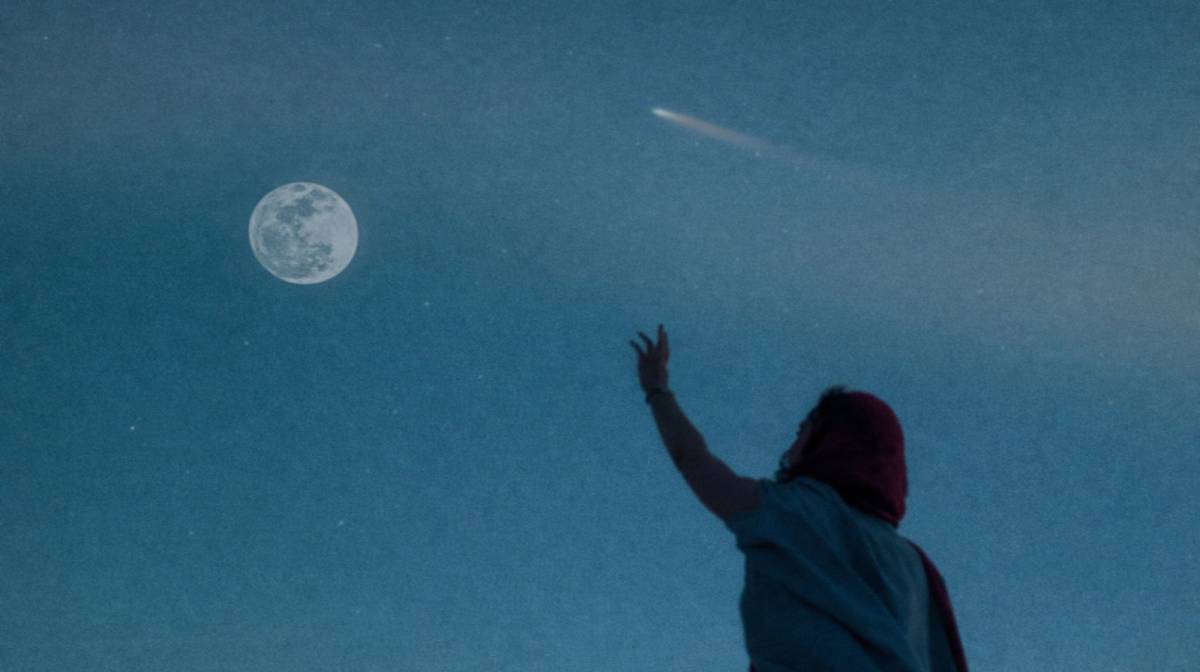
DUBAI – There is something undeniably captivating about watching the night sky come alive over Dubai’s deserts. From blazing meteor showers to rare moon phases and brilliant planetary oppositions, this year offers one of the most varied calendars for skywatchers in recent years.
Whether observed with the naked eye or through a telescope far from city lights, these celestial moments promise unforgettable views across the UAE.
Here is a detailed, date-by-date guide to the most significant stargazing events expected over Dubai in 2026.
January 10: Jupiter at opposition
Jupiter reaches opposition on January 10, placing the gas giant at its closest point to Earth for the year. This alignment makes Jupiter appear brighter than at any other time in 2026.
Even without optical equipment, the planet will stand out clearly in the night sky. Through a telescope, observers can expect crisp views of Jupiter’s cloud bands along with its four Galilean moons, which often appear lined up beside the planet.
April 22-23: Lyrids Meteor Shower
One of the oldest recorded meteor showers, the Lyrids peak between April 22 and 23. According to NASA, sightings of this shower date back more than 2,700 years.
While rates are usually modest, the Lyrids are known for producing sudden bright meteors and occasional fireballs, making them especially rewarding under clear desert skies.
May 31: Blue Micromoon
The full moon on May 31 qualifies as a Blue Micromoon, meaning it is the second full moon within a single calendar month while also occurring near the moon’s farthest point from Earth.
Although not blue in colour, it will appear slightly smaller and dimmer than a typical full moon. Blue Moons are relatively rare, occurring only about seven times every 19 years, with the next one after this expected at the end of 2028.
August 12-13: Perseids Meteor Shower
The Perseids are among the most anticipated meteor showers of the year and reach their peak between August 12 and 13. Under ideal conditions, rates can climb as high as 120 to 150 meteors per hour.
In 2026, the Perseids coincide with moon-free skies, significantly improving visibility. This makes the display particularly favourable for casual observers and astrophotographers watching from dark areas outside the city.
October 4: Saturn at opposition
Saturn reaches opposition on October 4, offering its best viewing opportunity of the year. During opposition, Earth passes directly between Saturn and the Sun, bringing the ringed planet closer and brighter in the night sky.
With a telescope, observers can clearly distinguish Saturn’s rings and, under good conditions, several of its moons.
October 21-22: Orionids Meteor Shower
The Orionids, associated with debris from Halley’s Comet, peak between October 21 and 22. These meteors are known for their speed and brightness.
Best viewed after midnight, the Orionids reward late-night watchers with long, glowing trails streaking across the sky.
November 17-18: Leonids Meteor Shower
The Leonids occur as Earth passes through debris left behind by Comet 55P/Tempel–Tuttle. While typically producing lower hourly rates, the Leonids are famous for their bright, fast-moving meteors.
The shower peaks on November 17 and 18 and is best observed during the early morning hours under dark skies.
November 24: Beaver Supermoon
The Beaver Moon on November 24 will appear as a supermoon, when the Moon reaches full phase near its closest point to Earth.
The name originates from Indigenous traditions, marking the time when beavers prepare for winter. The supermoon will appear larger and brighter than an average full moon, making it a striking sight shortly after moonrise.
December 13-14: Geminids Meteor Shower
The Geminids are widely regarded as the most reliable meteor shower of the year. Peaking between December 13 and 14, they can produce up to 120 meteors per hour under clear conditions.
Uniquely, the Geminids originate from an asteroid, 3200 Phaethon, rather than a comet. Their meteors often display vivid colours, including yellow, green and blue, as they enter Earth’s atmosphere at speeds of around 127,000 kmph.
December 24: Cold Moon Supermoon
The Cold Moon on December 24 will be the closest and brightest full moon of 2026, marking the final supermoon of the year and the closest since 2019.
Traditionally named for the long winter nights, the Cold Moon will dominate the Christmas Eve sky, offering dramatic views from open desert locations across Dubai.
Where to go stargazing in Dubai
Dubai’s surrounding deserts provide some of the clearest skies in the region, with minimal light pollution and wide horizons. Areas such as Al Qudra and Lahbab are popular among amateur astronomers and photographers.
While many events can be enjoyed with the naked eye, telescopes enhance views of planetary details, lunar features and Saturn’s rings. Organised stargazing sessions by the Dubai Astronomy Group offer guided observations, telescope access and expert explanations throughout the year.
According to the Dubai Astronomy Group, 2026 features 13 full moons, including three supermoons, alongside major meteor showers, planetary oppositions and rare alignments. Jupiter and Saturn both reach peak visibility, while meteor activity remains strong throughout the year.
Although global eclipses in 2026 will not be visible from the UAE, the overall variety of observable events makes the year especially rewarding for residents eager to reconnect with the night sky.