

Gulf Air repatriates over 400 transit passengers after regional airspace closures
Bahrain’s national carrier activates contingency plans and alternative travel arrangements for affected travellers
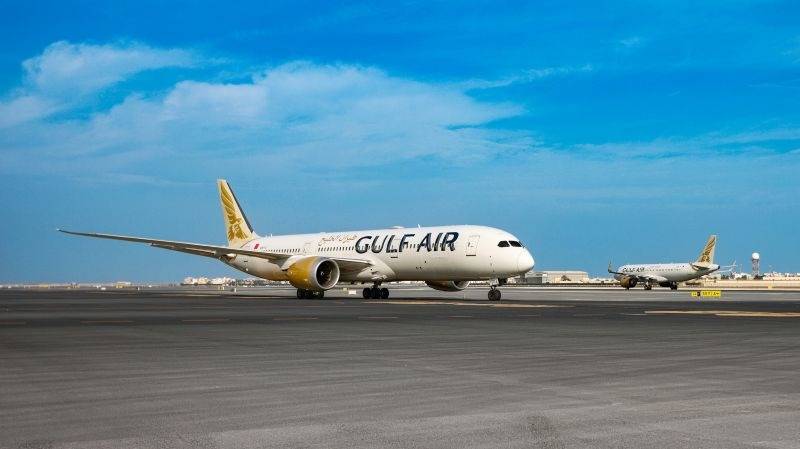
DUBAI – Gulf Air has confirmed the successful repatriation of more than 400 transit passengers whose journeys were disrupted by the temporary closure of airspaces in several countries across the region.
The airline implemented contingency measures to assist affected travellers as regional aviation routes faced sudden operational challenges.
The national carrier of the Kingdom of Bahrain said the passengers were assisted during a period of significant disruption to air travel, as airlines adjusted operations to changing airspace conditions across the Middle East.
Working closely with relevant authorities, Gulf Air coordinated alternative travel arrangements to ensure passengers were able to safely continue their journeys once conditions permitted.
Immediate support
During the disruption period, Gulf Air deployed on-ground support teams to assist travellers whose journeys were interrupted while transiting through its network. Affected passengers were provided with accommodation, meals and regular travel updates as the airline worked to manage the situation.
The carrier stated that these measures were part of a broader contingency plan designed to maintain passenger welfare during unexpected operational disruptions. Ground staff coordinated closely with airport partners and aviation authorities to ensure passengers remained informed about changes to their travel plans.
Alternative routing and travel solutions were gradually introduced as soon as regional airspace conditions allowed flights to operate safely.
Contingency plans
Gulf Air activated its contingency protocols shortly after regional developments led to temporary airspace closures across parts of the region. These protocols included operational adjustments, passenger assistance services and the coordination of revised flight itineraries.
The airline confirmed that these efforts allowed more than 400 transit passengers to be repatriated successfully. The process involved rescheduling flights, organising temporary accommodation and ensuring that travellers received continuous updates about their onward journeys.
Airlines across the region have faced similar operational challenges as aviation authorities implemented temporary airspace restrictions in response to evolving developments. In such circumstances, carriers typically adjust routes, delay departures or suspend services until safe operating conditions are restored.
Monitoring situation
Gulf Air said it continues to monitor developments closely and will resume normal operations once regional airspace conditions permit.
The airline reiterated that the safety and wellbeing of passengers and crew remain its highest priority at all times. Operational decisions are taken in coordination with aviation authorities and international safety guidelines to ensure that flights operate under secure conditions.
Gulf Air, established in 1950, is the national carrier of the Kingdom of Bahrain and the first national airline in the Gulf Cooperation Council. The airline currently operates flights to more than 50 destinations across the GCC, Asia, Europe, America and the Indian Subcontinent. In 2026, Gulf Air was recognised as a “Five-Star Major Airline” by APEX. The carrier operates a fleet comprising 10 Boeing 787 aircraft alongside 34 Airbus A320 and A321 aircraft serving its regional and international network.