

From AI to cleaner operations: 15 things to know about flydubai’s sustainability strategy
Inaugural report details priorities shaping the carrier’s next five years
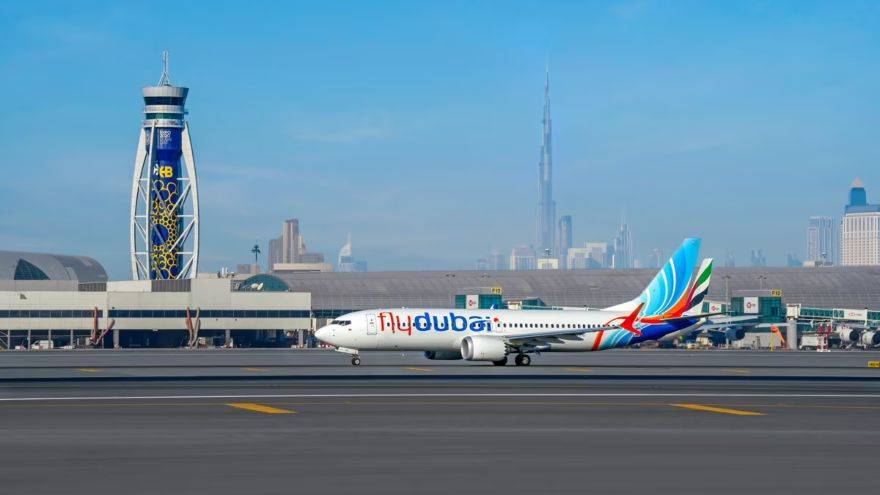
DUBAI – UAE carrier flydubai has published its first Sustainability Report, marking a major milestone in embedding environmental, social and governance (ESG) principles into every aspect of its business.
Titled 'fly forward 2025', the report formalises a five-year sustainability strategy aligned with the UAE's long-term net-zero ambitions, international reporting standards and the United Nations Sustainable Development Goals (SDGs).
Developed in reference to the Global Reporting Initiative (GRI) Standards, the report explains how the airline plans to balance network expansion with lower environmental impact, stronger governance, technological innovation and greater investment in people. Here are the report's biggest highlights.
Sustainability is now part of flydubai's long-term strategy
Rather than treating sustainability as a standalone initiative, flydubai has integrated ESG principles into its long-term business planning. The airline says responsible growth will guide future decision-making across operations, investments, governance and customer experience.
A formal five-year roadmap has been launched
The report introduces a structured sustainability strategy running over the next five years. It includes defined priorities, measurable key performance indicators (KPIs) and governance mechanisms designed to monitor progress and continuously improve performance.
The strategy is built around six ESG pillars
The roadmap is organised under six core themes that will shape future initiatives:
- Climate-ready operations
- Environmental stewardship
- People at our core
- Stronger together
- Excellence in safety, compliance and services
- Intelligent aviation
Together, these pillars cover environmental performance, workforce development, governance, operational excellence, technology and community partnerships.
A double materiality assessment shaped the priorities
During 2025, flydubai completed its first comprehensive double materiality assessment.
The exercise examined both how the airline's operations affect society and the environment, and how sustainability-related issues could influence its financial performance and long-term enterprise value. The findings helped determine where the airline can create the greatest impact.
Five priority sustainability areas were identified
The assessment highlighted five issues requiring the greatest focus:
- Safety and security
- Talent development
- Climate change
- Energy and fuel efficiency
- Employee wellbeing
These priorities now underpin the carrier's sustainability strategy.
Climate action begins with everyday operations
Instead of relying solely on future technologies, flydubai says immediate progress can come through improving operational efficiency.
The airline aims to reduce emissions by improving fuel efficiency across daily operations while lowering overall energy consumption.
Modern aircraft remain central to emissions reduction
Fleet modernisation continues to be one of flydubai's biggest sustainability investments.
The report notes that the airline's Boeing 737 MAX aircraft deliver around 14 per cent greater fuel efficiency than previous-generation models, helping reduce fuel burn, emissions and long-term operating costs.
Small operational changes are producing environmental gains
Several day-to-day measures are already supporting lower emissions and reduced waste.
These include:
- Single-engine taxiing at Dubai International Airport to reduce fuel burn during ground operations
- Removing unnecessary onboard plastic items
- Expanding paperless operational processes
- Better fuel management through digital technologies
Collectively, these initiatives reduce resource consumption while improving operational efficiency.
Artificial intelligence will play a much larger role
Innovation forms one of the report's six strategic pillars.
Looking ahead, flydubai plans to expand artificial intelligence, advanced analytics and cloud technologies across its operations to improve fuel efficiency, optimise maintenance, strengthen safety and enhance customer experience.
The airline recently announced a landmark partnership with Amazon Web Services (AWS) to deploy generative AI across flight operations.
Connectivity upgrades are also on the horizon
Alongside AI, flydubai plans to introduce high-speed broadband connectivity across its fleet through a collaboration with Starlink.
The initiative is expected to provide low-latency internet services while supporting the airline's broader digital transformation programme.
Sustainability extends beyond environmental issues
The report places equal emphasis on social responsibility.
flydubai says it will continue investing in employee development, diversity, wellbeing and training while strengthening engagement with the communities it serves across its growing international network.
Collaboration is seen as essential
The airline says achieving more sustainable aviation cannot be accomplished independently.
Its strategy includes closer partnerships with suppliers, airport operators, regulators, technology providers and organisations that share similar ESG values to accelerate innovation and industry-wide progress.
Governance and transparency receive greater attention
The Sustainability Report has been prepared in reference to the GRI Standards and aligned with the UN Sustainable Development Goals.
According to flydubai, transparent reporting will enable investors, regulators, customers and employees to better understand sustainability performance while strengthening accountability across the organisation.
Responsible growth continues alongside network expansion
The report highlights the scale of flydubai's operations, showing how sustainability is intended to support continued growth rather than limit it.
By the end of 2024, the airline operated:
- 131 destinations
- 55 countries
- 97 underserved markets
- 88 aircraft with an average fleet age of 5.3 years
- 15.4 million passengers carried during 2024
- Dh12.8 billion in annual revenue
- The carrier says these figures demonstrate how commercial growth and sustainability can progress together.
Future investments will support the next phase
The report says flydubai's sustainability journey is only beginning.
Alongside its growing narrowbody order book, the airline expects future Boeing 787-9 Dreamliners to strengthen its fleet. Combined with expanding digital capabilities, AI adoption, improved connectivity and continued ESG reporting, flydubai says it is positioning itself for long-term responsible growth while continuing to connect more destinations through Dubai.