

Over 35 million members affected as Emirates updates Skywards policy
First Class Miles bookings barred for children under eight years

DUBAI – Families planning to book First Class travel with Emirates using Skywards Miles will now face new restrictions.
According to the airline’s updated rewards policy, children aged eight and under are no longer eligible to have First Class flights booked or upgraded using Miles.
The Skywards Miles programme is one of the world’s largest loyalty schemes, with more than 35 million members. It allows passengers to use accumulated Miles for flights, upgrades, and exclusive experiences. However, under the revised terms, families cannot use existing Miles or Miles-plus-cash combinations to place children under eight in First Class. Cash bookings for this age group remain unaffected.
Skysurfers policy
Emirates refers to passengers under 18 enrolled in Skywards as Skysurfers. These young travellers continue to earn Miles across all cabins on Emirates and flydubai flights. The revised conditions specify that Skysurfers aged nine and above remain eligible to redeem Miles for First Class flights and upgrades, provided they hold a Silver, Gold or Platinum membership tier.
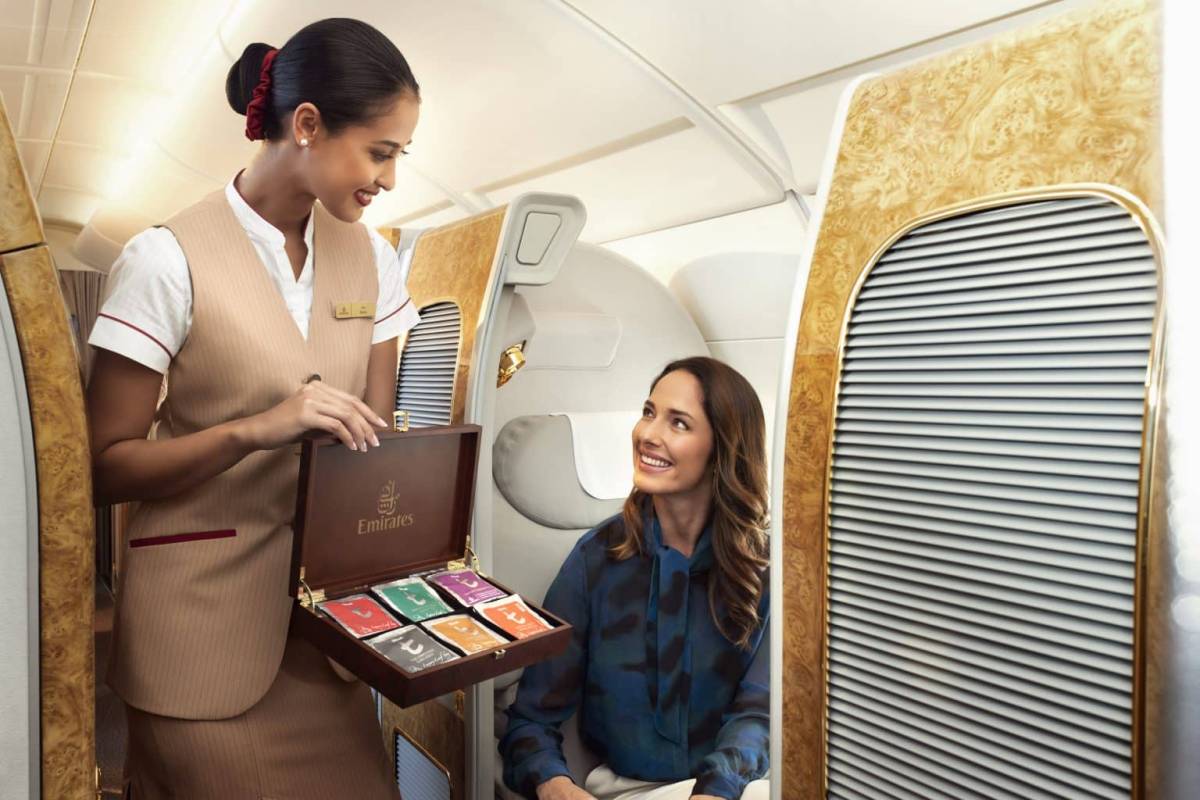
The airline’s rules also note that Blue tier members – the entry level of the loyalty programme – are ineligible for First Class upgrades regardless of age. Emirates clarified that Classic Rewards and Upgrade Rewards are only available subject to booking class and tier eligibility.
Emirates Skywards
Skywards Classic Rewards start from 5,000 Miles and allow members to pay for tickets in full, excluding taxes, with Saver and Flex Plus fares available. Upgrade Rewards start from 7,020 Miles, with passengers able to access instant upgrades at check-in or even on board.
The Skywards programme continues to see immense activity, with Emirates enrolling seven new members every minute. One traveller secures a Miles upgrade each minute, while 100,000 daily transactions add to the global loyalty pool.

The Dubai-based airline remains the world’s largest international passenger carrier, transporting 53.7 million passengers in 2024–25, reflecting a 3 percent increase year-on-year. Seat capacity rose 4 percent during the same period.