

Strawberry Moon 2025: When and where to watch it in UAE?
Rare lunar event not seen this low again until 2043
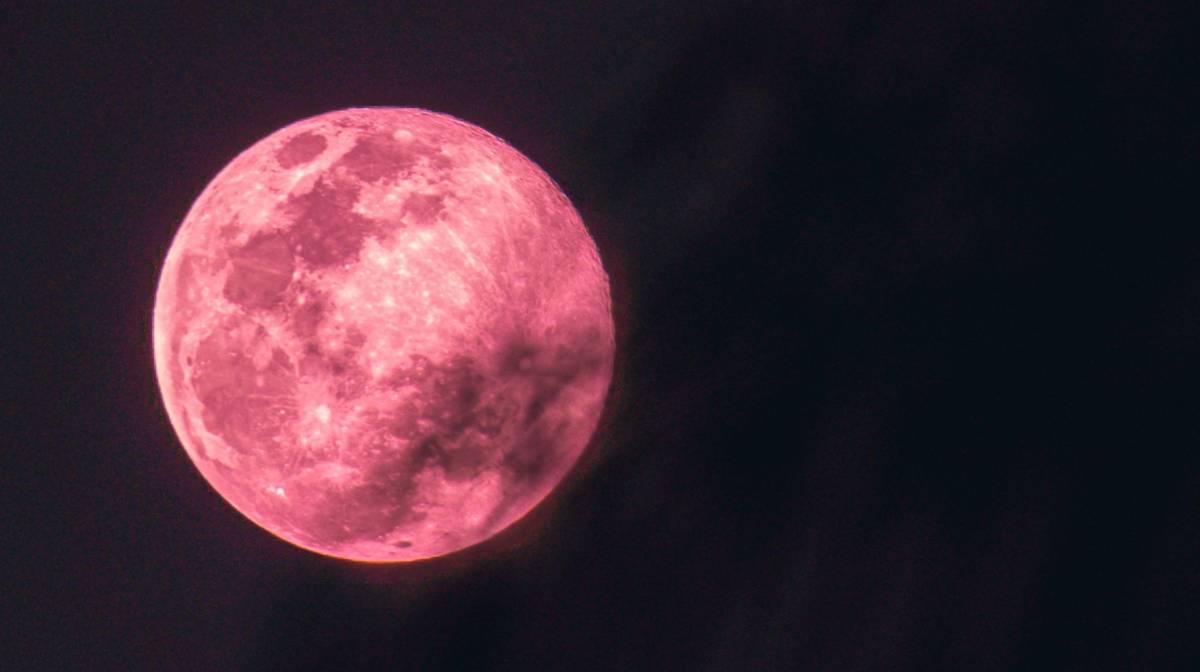
DUBAI: Stargazers in the United Arab Emirates (UAE) are in for a rare celestial treat as the Strawberry Moon rises tomorrow, marking the last full Moon of Spring 2025 and a once-in-18.6-years event.
Moonrise is expected around 7.32pm and the Moon will set at 5.55am on June 12, according to the Dubai Astronomy Group.
Despite its fruity name, the Strawberry Moon won’t appear pink or red. Instead, it will take on golden, orange, or even yellow hues, especially during moonrise and moonset. The name originates from Native American tribes like the Algonquin, who used this June full Moon to signal the start of strawberry-picking season.
What sets this year’s Strawberry Moon apart is its connection to a major lunar standstill, a rare astronomical event where the Moon rises and sets at extreme points on the horizon – a phenomenon not seen since 2006 and not expected again until 2043.
What is Strawberry Moon?
The Strawberry Moon is the sixth full Moon of 2025 and gets its name from seasonal harvest traditions in North America. In different cultures, this Moon has also been referred to as the Blooming Moon, Green Corn Moon, or Birth Moon. Scientifically, it appears full when Earth is directly between the Sun and the Moon.
The term has nothing to do with the Moon’s colour. The orange or red glow seen at moonrise is due to atmospheric scattering, where light passes through more of Earth’s atmosphere, filtering out the shorter blue wavelengths and leaving behind warmer tones.
When to watch?
To catch this lunar show, residents in the UAE should head outdoors by 7.30pm, looking toward the eastern horizon. As Khadijah Hasan Ahmed from Dubai Astronomy Group confirmed to GulfNews, no special gear is needed to view it – though binoculars or telescopes can enhance the experience.
The Moon will appear larger than usual thanks to the Moon illusion – a psychological effect where the Moon looks bigger near the horizon. This illusion, coupled with the Moon’s low position due to the lunar standstill, creates a visually spectacular event.
How rare is it?
This year’s Strawberry Moon aligns with a major lunar standstill, which occurs every 18.6 years due to the tilt of the Moon’s orbit (5.1°) relative to Earth’s orbital plane (23.4°). During such a standstill, the Moon’s rising and setting points reach their maximum distance north and south.
In the Northern Hemisphere, including the UAE, this results in the lowest Full Moon in nearly two decades. According to astronomy app Star Walk 2, it will hover unusually close to the horizon during both rise and set.
The standstill season began in January 2025 and will continue until mid-2026, with the effect peaking now. This means the Moon will continue to rise and set at its extreme points every 27 days throughout the period, but the June 11 full Moon is the most visible example.
Where is it in the sky?
The Strawberry Moon will travel across three constellations between June 9 and 12. It starts in Scorpius, dips into Ophiuchus, and ends in Sagittarius. These constellations all lie low in the sky in the Northern Hemisphere, further emphasising the Moon’s unusually low appearance.
From open areas like deserts, beaches, and rooftops, the view will be clearest. Even urban areas will offer a decent look – as long as you have a clear sightline to the eastern horizon.
What else to know?
Apart from its name and colour, the Strawberry Moon also symbolises a convergence of astronomical and cultural significance. Other full Moons throughout the year carry similar seasonal labels – like February’s Snow Moon, July’s Buck Moon, and the Harvest Moon of September or October.
For those interested in Moon types, this isn't a Supermoon or a Blood Moon, but it still offers dual visual effects: the Moon illusion and atmospheric scattering – making it appear large and tinted orange or yellow.
This is also not a Blue Moon, which only happens when there are two full Moons in one calendar month. The next Blue Moon will appear on May 31, 2026, while the next Supermoon is due on September 18, 2025.