

How Dubai’s entry system handled the New Year rush with more than 1.3 million travellers
Airports, ports and borders stayed connected through a single operational framework
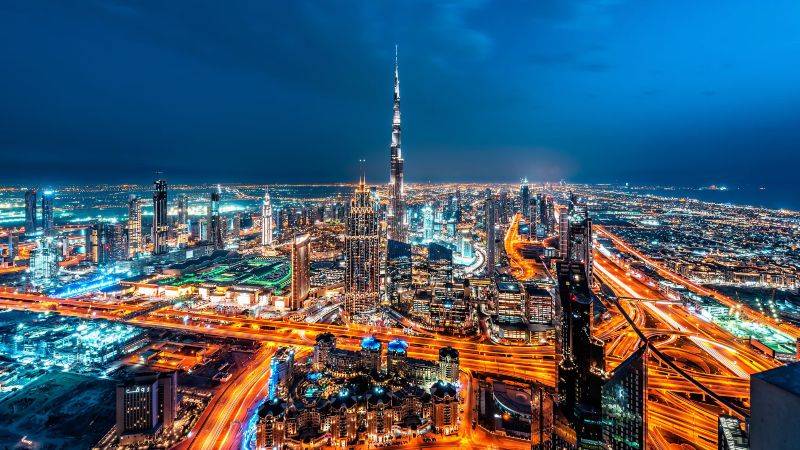
DUBAI’s travel network came under intense pressure during the New Year holiday as millions of residents and visitors moved through the emirate’s air, land and sea ports.
From 29 December 2025 to 3 January 2026, the General Directorate of Identity and Foreigners Affairs – Dubai (GDRFA Dubai) implemented a flexible operational framework backed by advanced digital services to keep traffic flowing smoothly. The result was a coordinated response that maintained speed, security and service quality during one of the busiest travel windows of the year. Across all entry and exit points, systems were designed to absorb peak demand without disruption.
A total of 1,370,440 travellers passed through Dubai’s ports during the six-day period, highlighting the scale of the seasonal surge and the readiness of the emirate’s travel infrastructure.
Air traffic
Airports accounted for the vast majority of this movement, handling 1,272,246 travellers during the New Year holiday. These figures include passengers using smart gates and the Smart Corridor system, which played a central role in accelerating immigration and clearance procedures. By enabling travellers to complete checks through automated biometric and digital channels, pressure on frontline counters was significantly reduced at a time when flights were operating at near-maximum capacity.
The widespread use of these smart systems ensured that even during peak arrival and departure waves, passenger queues remained manageable and processing times stayed within operational targets. The digital ecosystem allowed officers to focus on oversight and security, while technology handled routine clearance at scale.
Sea routes
While smaller in volume, Dubai’s sea ports also experienced steady New Year activity, recording 21,135 travellers during the same period. Operations at cruise and maritime terminals were conducted under unified procedures designed to maintain continuity of service and rapid processing. These measures ensured that vessels arriving during the holiday period could be turned around efficiently, keeping maritime travel aligned with the broader transport network across the emirate.
The coordinated approach across all ports meant that even as demand fluctuated during the celebrations, travellers experienced consistent standards of service regardless of their point of entry or exit.
Border flows
Hatta Land Port was another focal point of the New Year travel rush, with 77,059 travellers crossing through the border during the six days. High levels of field readiness and operational flexibility allowed teams to handle increased traffic volumes without congestion, even during peak hours.
According to GDRFA Dubai, the New Year period demonstrated the effectiveness of linking digital systems with on-ground teams. Lieutenant General Mohammed Ahmed Al Marri, Director General of GDRFA Dubai, said the focus was not only on accommodating large numbers but also on ensuring a smooth and secure travel experience. Major General Talal Ahmed Al Shanqiti, Assistant Director General for Airport Affairs, highlighted the role of smart gates and smart corridors in reducing waiting times, while Major General Salah Ahmed Al Qamzi, Assistant Director General for Land and Sea Ports Affairs, confirmed that continuous coordination kept operations running smoothly across borders and ports.