

Dubai unveils Dh2 billion road corridor to cut travel time by 54pc
New bridges, tunnels and cycle tracks to improve citywide mobility
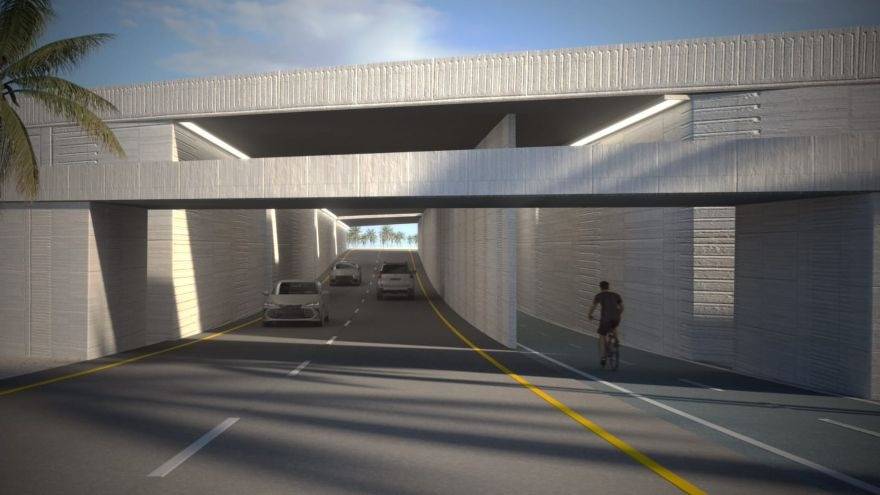
DUBAI – Dubai has awarded a Dh2 billion contract for the development of the Latifa bint Hamdan Corridor, a major infrastructure project designed to improve traffic flow, strengthen connectivity between some of the emirate's busiest roads and support the city's continued urban expansion.
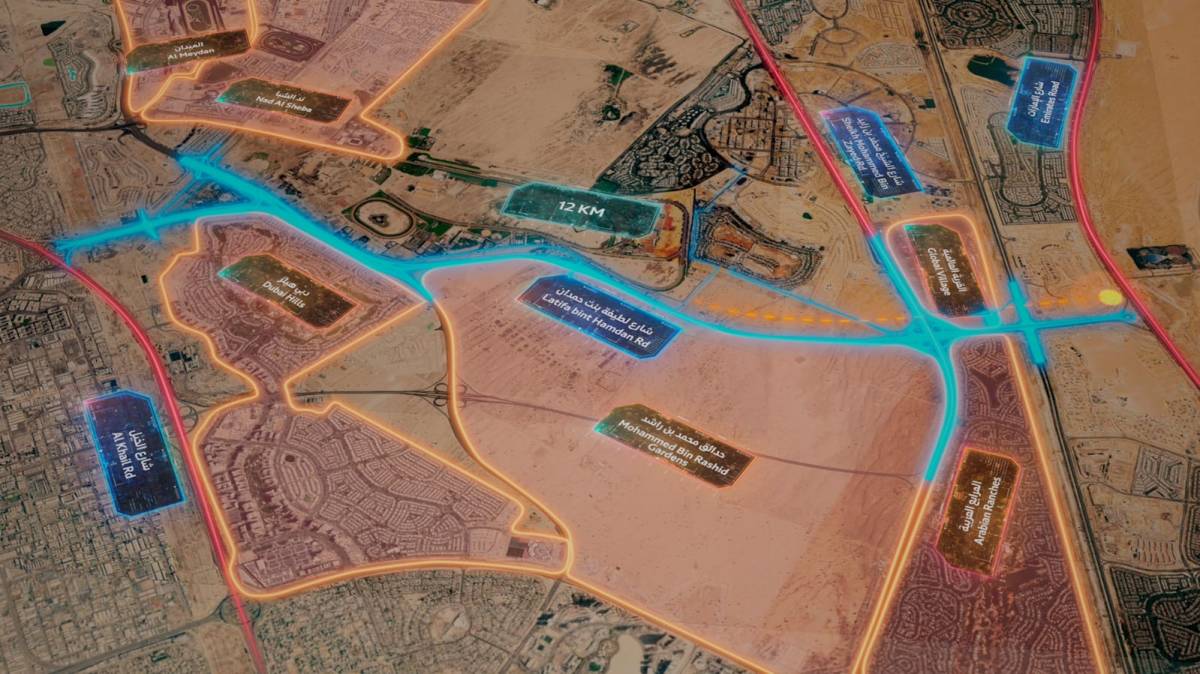
The 12-kilometre corridor will feature an extensive network of bridges, tunnels and upgraded roads, creating a new east-west transport link capable of carrying around 16,000 vehicles per hour in both directions. Once completed by the end of 2028, the project is expected to reduce travel time between Umm Al Sheif Street and Emirates Road from 33 minutes to 15 minutes, representing a 54 percent reduction.
Latifa bint Hamdan Corridor Development Project forms part of #RTA's efforts to support strategic road corridors experiencing rising traffic volumes, such as Al Khail Road, Dubai–Al Ain Road, Umm Suqeim Street and Sheikh Mohammed bin Zayed Road. The project will contribute to… pic.twitter.com/gDXgOqm4K7
— RTA (@rta_dubai) July 12, 2026
The Roads and Transport Authority (RTA) said the project reflects Dubai's continued investment in transport infrastructure to keep pace with rapid population growth, economic development and the expansion of residential and commercial communities across the emirate.
Latifa bint Hamdan Corridor
The Latifa bint Hamdan Corridor will establish a new strategic connection between Sheikh Zayed Road, Al Khail Road, Al Meydan Street, Sheikh Mohammed bin Zayed Road, Sheikh Zayed bin Hamdan Al Nahyan Street and Emirates Road, creating one of Dubai's most significant integrated transport corridors.
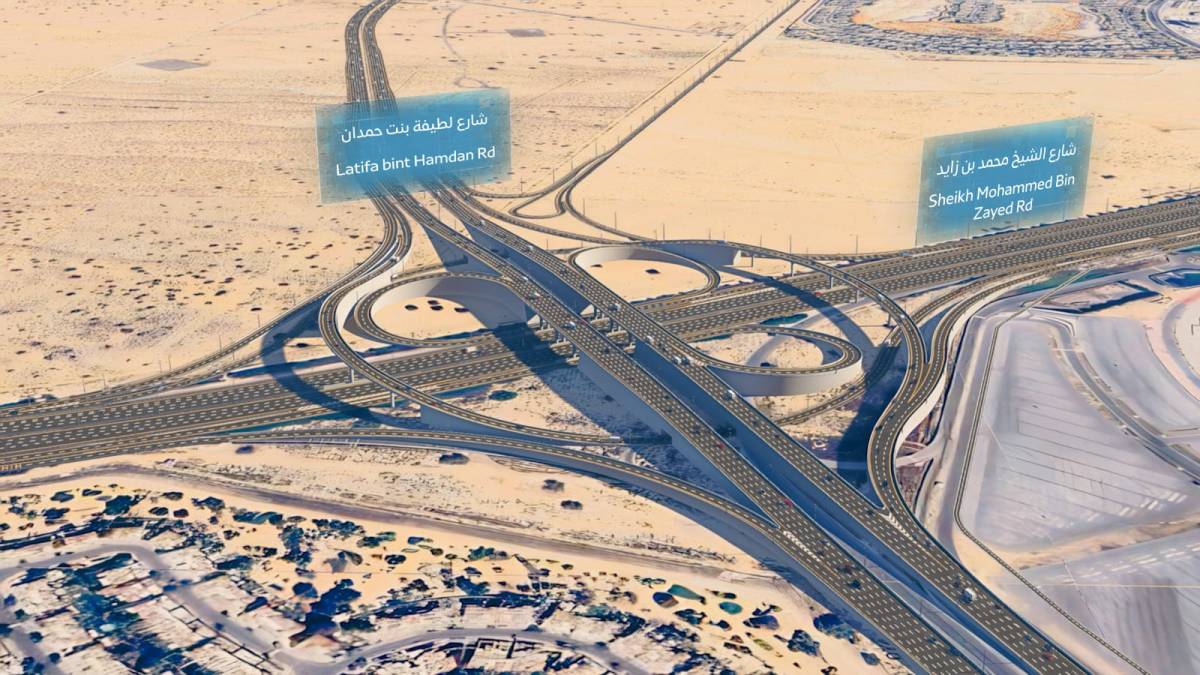
According to the RTA, the new route will strengthen links between the eastern and western parts of Dubai while increasing the capacity of east-west road corridors by 12 percent.
Mattar Al Tayer, Director General and Chairman of the Board of Executive Directors of the RTA, said developing the road network remains one of the key pillars supporting Dubai's rapid urban and economic growth.
He said investment in roads and transport infrastructure reinforces Dubai's position as a global investment destination while enhancing its appeal as a city to live, work and visit.
Al Tayer added that Dubai has adopted a proactive approach to infrastructure development by delivering major projects ahead of anticipated demand, ensuring the transport network is prepared for continued growth in population, business activity and urban development.
He said strategic transport projects also support the objectives of the Dubai Economic Agenda D33 and the Dubai 2040 Urban Master Plan by improving mobility and reinforcing the emirate's position as a leading model for sustainable urban development.
Major works
The project includes the construction of 15 major structures, comprising seven bridges stretching a combined 2,300 metres and eight tunnels extending 900 metres.
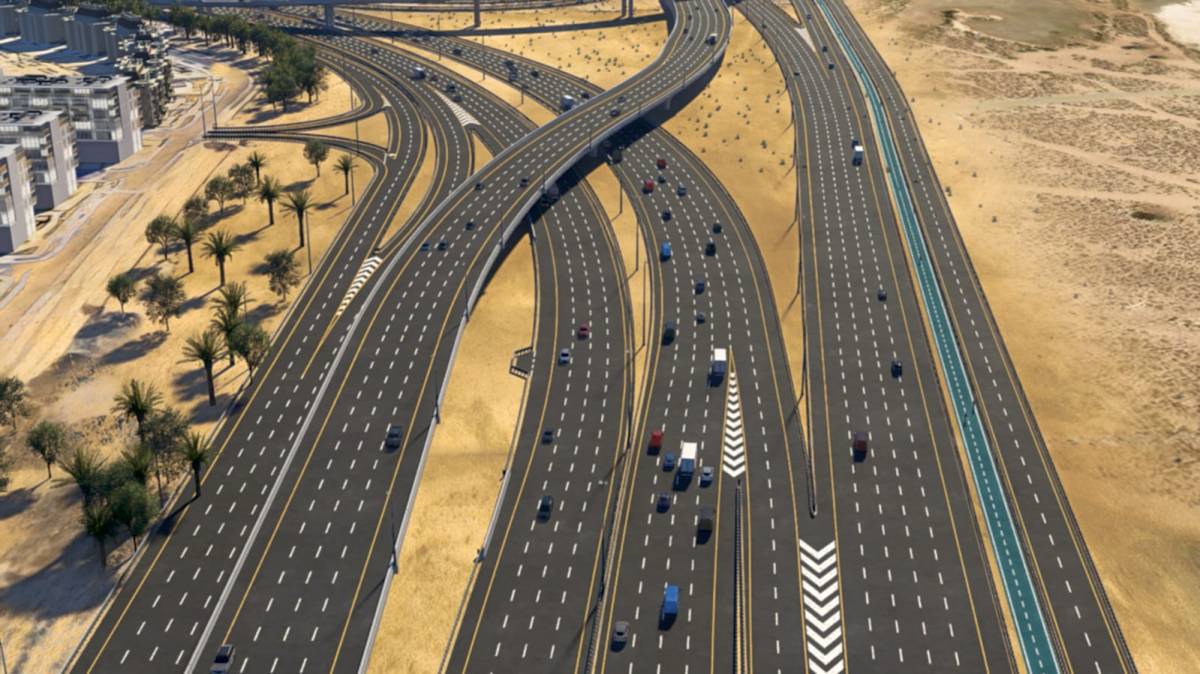
Latifa bint Hamdan Street will be widened to four lanes in each direction, while a series of multi-level free-flow interchanges, bridges and loop ramps will provide uninterrupted traffic movement across the corridor.
A new road will also connect Al Khail Road with the extension of Latifa bint Hamdan Street, while sections of Al Meydan Street will be upgraded alongside the construction of a new interchange serving surrounding development projects.
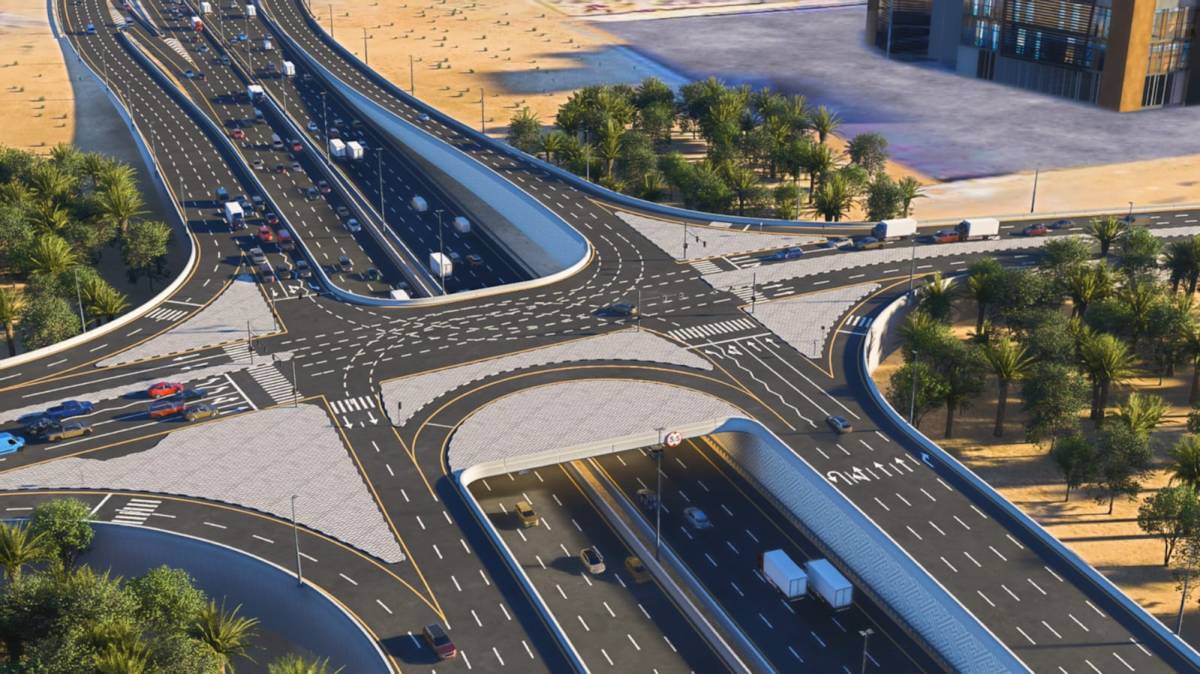
The RTA said these improvements are designed to eliminate traffic bottlenecks, improve junction efficiency and provide easier access to expanding residential, commercial and industrial districts.
The corridor is expected to accommodate more than 130,000 trips every day, helping redistribute traffic from several of Dubai's busiest highways, including Al Khail Road, Sheikh Mohammed bin Zayed Road, Dubai-Al Ain Road and Umm Suqeim Street.
Growing communities
The new corridor will serve residential and development areas with a combined population of more than 650,000 residents and visitors.
Among the key communities expected to benefit are Nad Al Sheba, Al Barari, Dubai Hills, Dubai District One, Mohammed Bin Rashid Gardens, Living Legends, Majan and Global Village, in addition to commercial, residential and industrial developments located along Latifa bint Hamdan Street and Al Meydan Street.
According to Al Tayer, the corridor has been designed not only to improve traffic movement but also to support current and future development projects by providing efficient entry and exit points that enhance accessibility and strengthen their economic competitiveness.
He said the corridor would improve integration across Dubai's main road network, facilitate the movement of residents and visitors, and provide advanced infrastructure capable of meeting future transport requirements in line with international standards.
The RTA added that the project would also improve traffic safety through the construction of multi-level interchanges and free-flow junctions that reduce congestion and minimise conflict points between vehicles.
Sustainable mobility
Alongside the road improvements, the project includes the construction of 12.5 kilometres of cycling tracks, extending Dubai's growing cycling network.
The new routes will connect with existing cycling infrastructure to create an integrated corridor linking Al Qudra with Jumeirah, providing cyclists with safer and more continuous travel across the city.
The RTA said expanding the cycling network forms part of Dubai's wider sustainable mobility strategy by encouraging alternative transport options while improving connectivity between communities.
The project also represents the next stage in the development of the Latifa bint Hamdan Corridor following the successful completion of the western section under the earlier Latifa bint Hamdan and Umm Al Sheif Streets Development Project.
That previous phase significantly improved connectivity between Jumeirah, Sheikh Zayed Road and Al Khail Road through a network of multi-level bridges providing uninterrupted traffic flow.
It reduced travel time between Sheikh Zayed Road and Al Khail Road from 12 minutes to four minutes, while also improving access for heavy vehicles travelling to and from Al Quoz Industrial Area.
The earlier works also strengthened connections between several residential developments and Dubai's primary road network, laying the foundation for the current expansion.