

Sheikh Mohammed turns 77 as UAE celebrates architect of modern Dubai
People from 77 nationalities to unite in tree-planting tribute to UAE royal
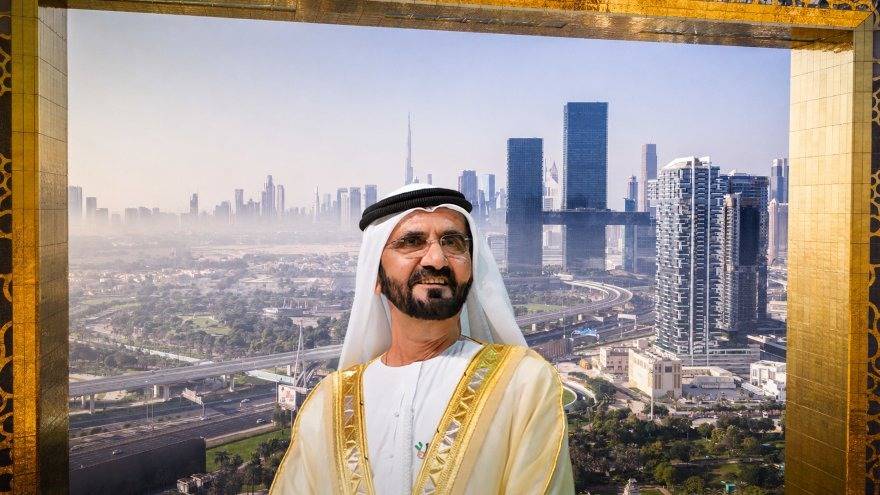
DUBAI – The United Arab Emirates (UAE) is celebrating a landmark occasion today, July 15, as His Highness Sheikh Mohammed bin Rashid Al Maktoum, Vice President and Prime Minister of the UAE and Ruler of Dubai, turns 77.
The milestone offers an opportunity to reflect on the remarkable journey of a leader whose vision has transformed Dubai from a modest trading centre into one of the world’s most dynamic cities. Over more than five decades in public service, Sheikh Mohammed has championed bold ideas, embraced innovation and pursued ambitious development strategies that have reshaped the emirate and elevated the UAE’s standing on the global stage.
Few contemporary leaders have left such a lasting imprint on the place they call home. From aviation and trade to tourism, finance, technology and government innovation, Sheikh Mohammed’s influence can be seen across every facet of Dubai’s development. As the nation prepares to mark his birthday, it also celebrates a legacy defined by determination, resilience and an unwavering belief that the future belongs to those prepared to build it.
Who is Sheikh Mohammed?
His Highness Sheikh Mohammed bin Rashid bin Saeed bin Maktoum bin Hasher bin Maktoum Al Maktoum Al Falasi was born in Dubai on July 15, 1949, into the distinguished Al Maktoum family. His grandfather, Sheikh Saeed bin Maktoum Al Maktoum, was the Ruler of Dubai at the time, while his father, the late Sheikh Rashid bin Saeed Al Maktoum, assumed leadership of the emirate in 1958 and laid the foundations for modern Dubai.
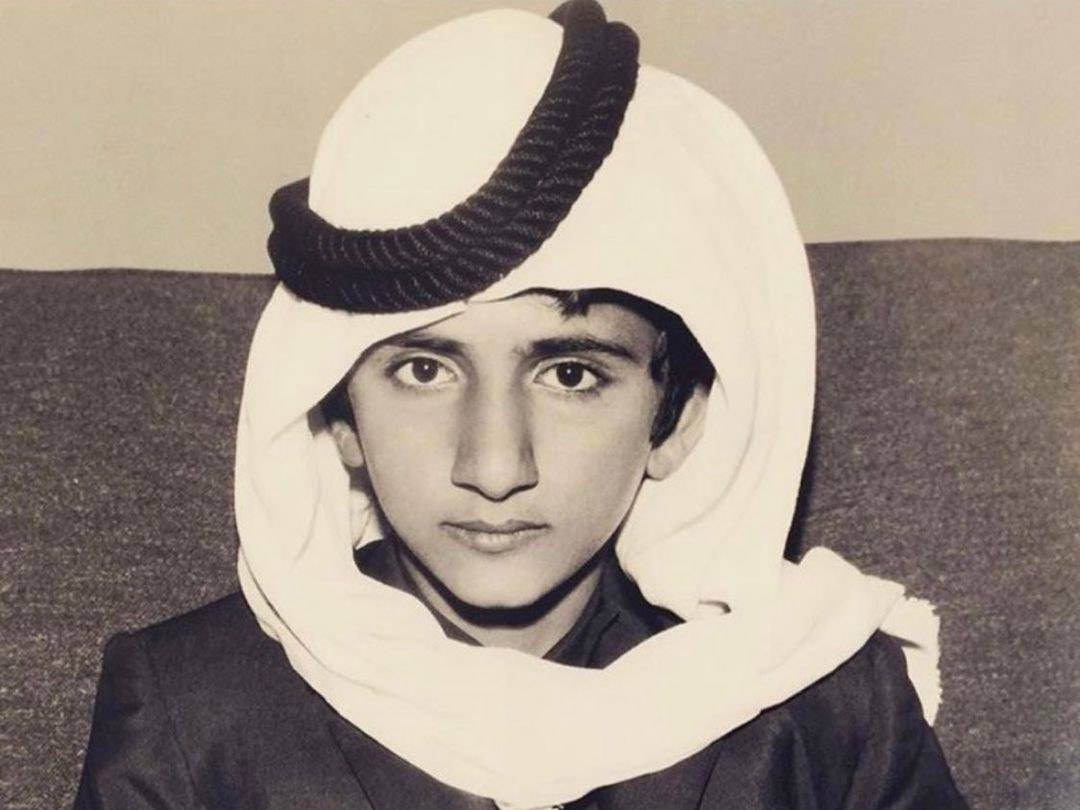
Growing up in the historic Al Shindagha district, Sheikh Mohammed was surrounded by an environment where public service, leadership and responsibility were part of everyday life. He was the third of four brothers, alongside Sheikh Maktoum, Sheikh Hamdan and Sheikh Ahmed.
His mother, Sheikha Latifa bint Hamdan bin Zayed Al Nahyan, played a defining role in shaping his character. In his book My Story, Sheikh Mohammed recalled the profound influence she had on his life, describing her as the closest person to him and remembering her compassion, wisdom and unconditional love decades after her passing in 1983.
His grandfather also became an important mentor. Sheikh Saeed regularly allowed the young Sheikh Mohammed to sit beside him during the daily majlis in Al Shindagha, where tribal elders and community leaders discussed public affairs. Those gatherings became his first lessons in governance, patience, dialogue and serving people.
Military training
Sheikh Mohammed began his formal education at the age of four, studying Arabic and Islamic teachings under his father’s supervision. He later attended Al Ahmedia School in Deira before moving to Al Shaab School and then Dubai Secondary School, where he completed his secondary education during the 1964-1965 academic year.
Recognising the emirate’s growing responsibilities, Sheikh Rashid sent his son to Britain in 1966. Sheikh Mohammed first attended Bell School of Languages in Cambridge before joining Mons Officer Cadet School in Aldershot, later incorporated into the Royal Military Academy Sandhurst.
The experience proved transformative. He completed intensive military training, graduated with distinction and received the prestigious Sword of Honour for achieving the highest distinction in his specialisation before being commissioned as a second lieutenant on probation.
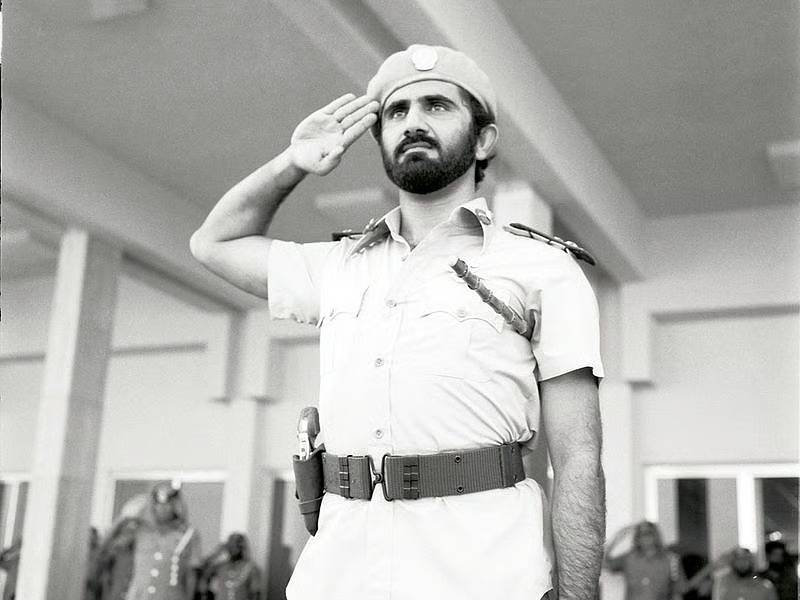
Upon returning to Dubai, Sheikh Rashid appointed Sheikh Mohammed as Chief of Dubai Police and Public Security with effect from November 1, 1968. At only 19 years of age, he assumed responsibility for maintaining law and order in an emirate entering a new phase of commercial and economic growth.
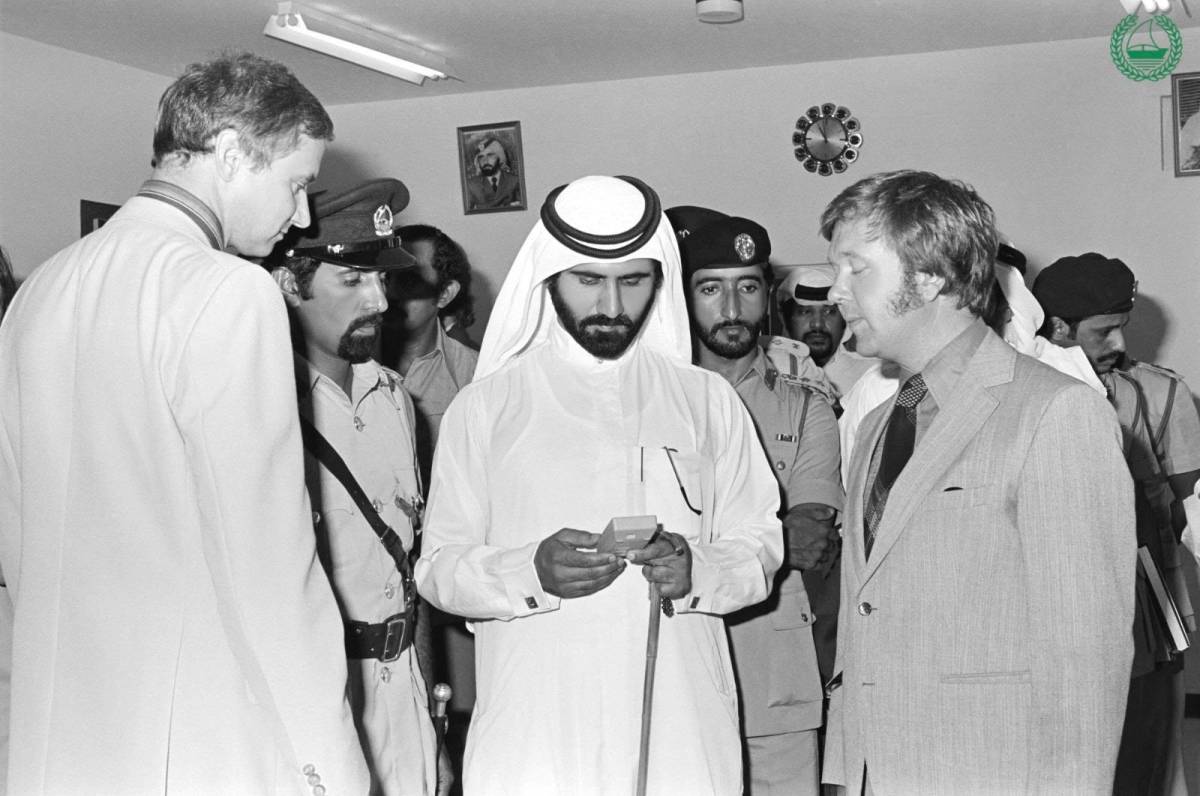
Earlier that year, on February 18, Sheikh Mohammed also witnessed a defining moment in UAE history when his father met the late Sheikh Zayed bin Sultan Al Nahyan at Al Sedeira. The meeting produced the agreement that would eventually lead to the formation of the United Arab Emirates.
Building Dubai
Following the establishment of the UAE on December 2, 1971, Sheikh Mohammed was appointed Minister of Defence at the age of 22, becoming the world's youngest defence minister at the time. He continued in the role for more than 50 years until 2024, when his son His Highness Sheikh Hamdan bin Mohammed bin Rashid Al Maktoum was appointed Deputy Prime Minister and Minister of Defence.
His responsibilities quickly expanded beyond defence. In 1977, Sheikh Rashid entrusted him with chairing the committee responsible for Dubai Airport. It marked the beginning of an aviation strategy that would transform Dubai into one of the world’s busiest international hubs through an Open Skies policy and sustained investment in infrastructure.
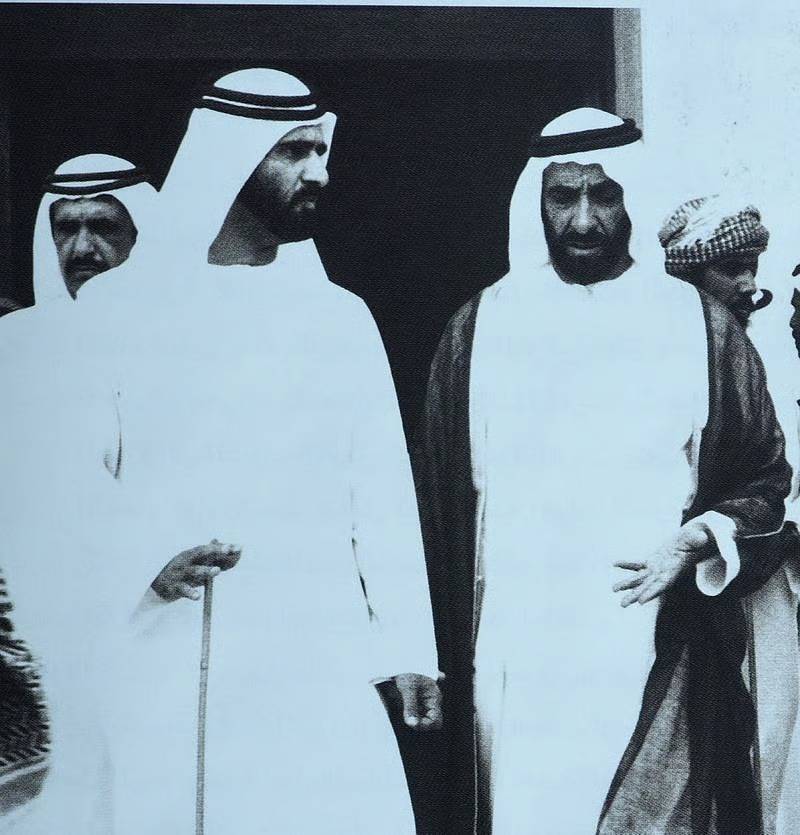
His portfolio later included Dubai’s oil sector before he assumed responsibility for Jebel Ali Free Zone in 1985. Combined with Jebel Ali Port, the free zone became one of the region’s most significant trade and logistics centres, attracting thousands of international companies and strengthening Dubai’s position as a gateway between East and West.
Despite periods of regional uncertainty, including the Iran-Iraq War and the invasion and liberation of Kuwait, Dubai continued its economic transformation while maintaining humanitarian commitments and expanding international partnerships.
The pace of development accelerated after Sheikh Mohammed was appointed Crown Prince of Dubai in January 1995 by his brother, Sheikh Maktoum bin Rashid Al Maktoum.
Over the following years, Dubai witnessed the launch of initiatives that would redefine its economy, including Dubai Shopping Festival, Dubai eGovernment, Dubai Internet City and Dubai Media City. These projects helped diversify the emirate beyond traditional industries and established it as a regional centre for technology, media and innovation.
At the same time, ambitious infrastructure projects reshaped the skyline. Palm Jumeirah, Burj Al Arab, Dubai Marina, Business Bay and Burj Khalifa became internationally recognised landmarks, while Dubai International Airport expanded into one of the busiest airports for international passenger traffic.
The transformation extended beyond architecture. Emirates Airline evolved into one of the world's leading international carriers, DP World became a global logistics powerhouse, and Dubai International Financial Centre emerged as a leading financial hub connecting regional and international markets.
National leadership
On January 4, 2006, Sheikh Mohammed became the tenth Ruler of Dubai since 1833 following the passing of Sheikh Maktoum. He also joined the Supreme Council of the Union.
Soon afterwards, the late Sheikh Khalifa bin Zayed Al Nahyan appointed him Vice President and Prime Minister of the UAE and tasked him with forming a new federal government.
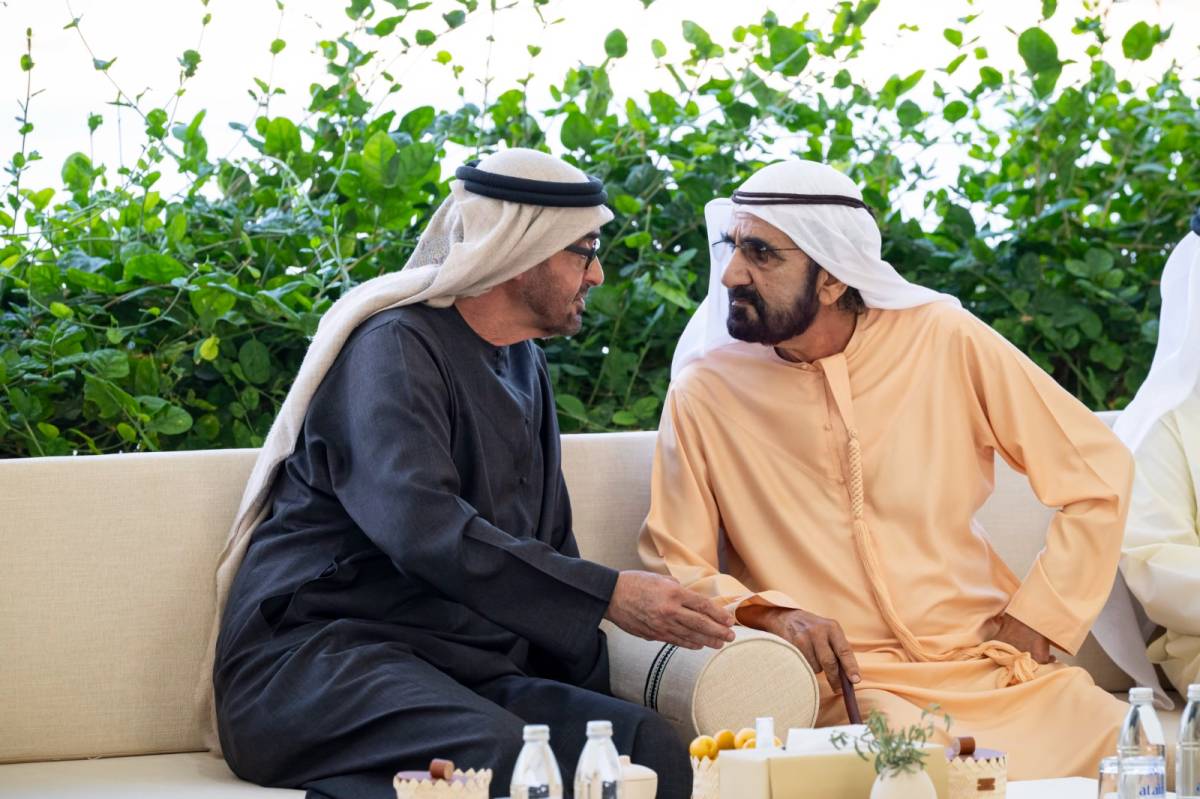
At the national level, Sheikh Mohammed championed innovation, digital government and economic diversification. Programmes including UAE Vision 2021 accelerated improvements across government services while reinforcing the country's competitiveness and readiness for the future.
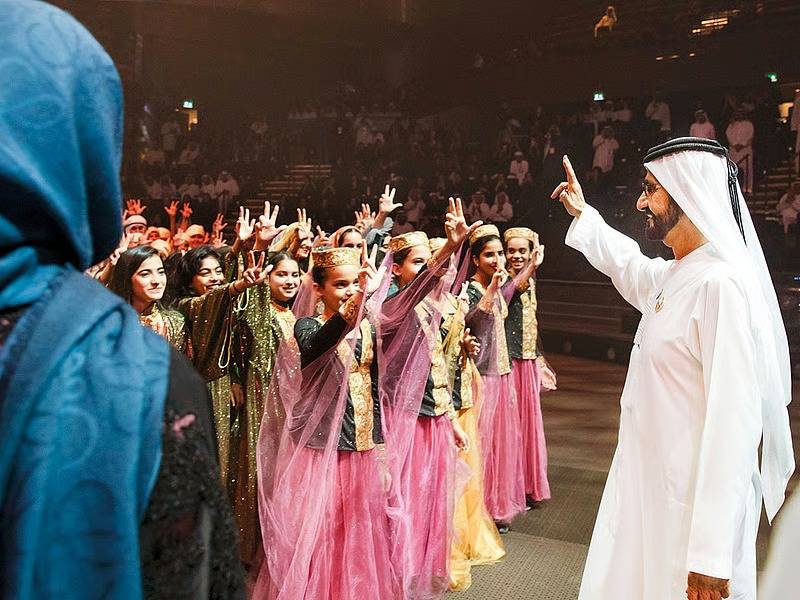
Today, the UAE is widely recognised for its advanced government services, strong investment environment and diversified economy, reflecting decades of strategic planning and implementation.
Sheikh Mohammed has consistently stressed that development begins with people. His focus on education, healthcare, housing, social welfare and leadership development has remained central to government policy, while his belief that "the citizen comes first, second and third" has become one of the defining principles of his public service.
Beyond government
Away from official responsibilities, Sheikh Mohammed is widely recognised as a poet, horseman and family man.
He married Sheikha Hind bint Maktoum bin Juma Al Maktoum in 1979 during celebrations attended by the UAE’s founding fathers and more than 20,000 guests. Together they have 16 children, including seven sons and nine daughters.
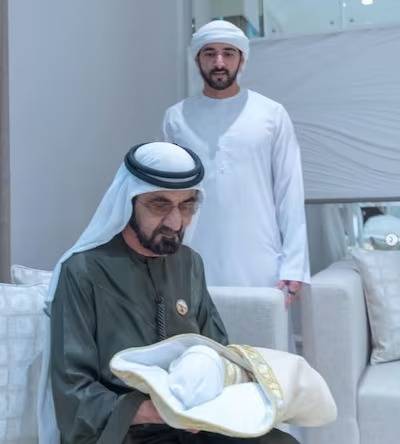
His passion for Nabati poetry began while he was still a student. To ensure his work was judged on its literary merit rather than his family name, he initially wrote under the pseudonyms "Nidawi" and "Sulait". His poems blend Nabati and classical Arabic styles, covering themes ranging from patriotism and romance to contemporary affairs. Many have been performed by renowned Arab singers including Kadim Al Sahir, Latifa Al Tunisi, Asala Nasri and Abdul Majeed Abdullah.
Equestrian sport has also occupied a special place throughout his life. His interest in horses developed during childhood under the guidance of Sheikh Rashid and expanded during his studies in Britain, where he first attended international horse races in 1967.
His first major international racing success came in 1977 when the mare Hatta won at Brighton Racecourse in England. That passion later led to the creation of Godolphin, now regarded as one of the world's most successful horse racing organisations.
In 1996, Sheikh Mohammed launched the Dubai World Cup, widely recognised as one of the world's premier horse racing events. It continues to attract elite competitors from across the globe and has firmly established Dubai on the international sporting calendar. Sheikh Mohammed has also played a leading role in promoting endurance riding, with UAE riders becoming among the world's strongest competitors in the discipline.
The influence of his leadership continues to shape Dubai's future through innovation, sustainability and long-term planning.
Green tribute
Reflecting that vision, people from 77 nationalities will gather at DAMAC Hills on July 15 to plant flame trees in tribute to Sheikh Mohammed as he celebrates his 77th birthday. Organised by DAMAC Properties, the event forms part of the company's Flame Tree Initiative and its commitment to plant 30,000 flame trees across DAMAC communities and buildings by 2030.
Launched under the directive of His Highness Sheikh Hamdan bin Mohammed bin Rashid Al Maktoum, Crown Prince of Dubai, Deputy Prime Minister, Minister of Defence and Chairman of The Executive Council of Dubai, the initiative supports Dubai's urban greening ambitions by expanding tree cover, creating cooler shaded spaces and enhancing the city's natural landscape.
Flame trees (Delonix regia), native to Madagascar, are renowned for their striking scarlet and orange blossoms and their ability to thrive in Dubai's climate.
Commenting on the initiative, Amira Sajwani, Managing Director of DAMAC Properties, said Dubai's story had always been one of unity, progress and vibrant diversity. She said the company was honoured to support the leadership's ambition of building a greener, more sustainable and more beautiful city for future generations through the planting of flame trees.