

Strait of Hormuz reopens: What it means for oil prices, trade routes and global travel
Critical chokepoint returns as markets react to sudden supply relief
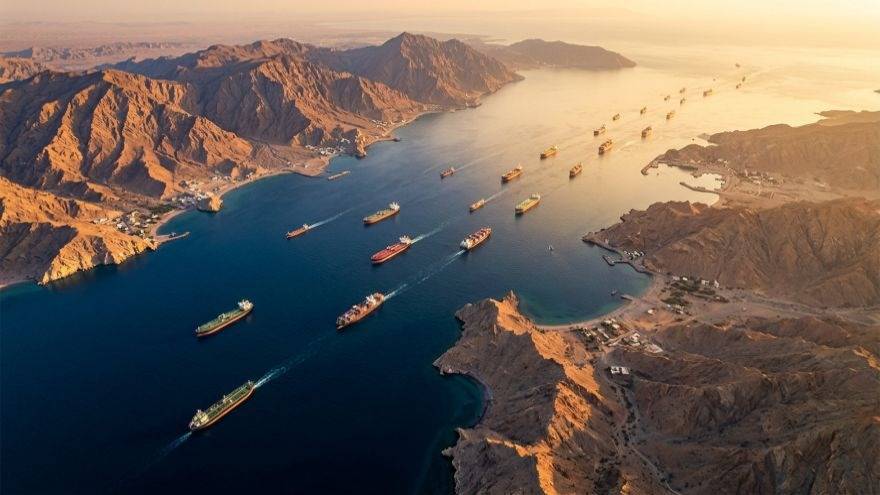
DUBAI – The Strait of Hormuz has reopened to commercial shipping after Iran announced a partial easing of restrictions, marking a major shift in one of the world’s most strategically sensitive maritime corridors.
The development has immediate implications for global energy markets, shipping logistics, inflation expectations and supply chain stability, given that the narrow waterway carries a significant share of global oil and liquefied natural gas flows.
Energy lifeline
The Strait of Hormuz connects the Arabian Gulf with the Gulf of Oman and the wider Indian Ocean. Roughly one-fifth of global oil supply passes through it daily, alongside major LNG exports from Gulf producers.
During the recent conflict, restrictions on navigation pushed oil prices above $100 a barrel at their peak, as shipping insurance costs surged and vessel movements dropped sharply. Some insurers withdrew war-risk coverage entirely, forcing cargo rerouting and delaying deliveries.
Following the reopening announcement, oil prices fell sharply, with Brent crude and WTI both posting double-digit declines as traders priced in the return of supply stability.
Shipping
Despite the announcement, maritime traffic has not yet fully normalised. Industry reports indicate that vessel movements remain below pre-conflict levels, with only a gradual recovery underway.
Shipping companies are still coordinating with insurers and risk assessors before resuming full-scale operations through the corridor. Freight costs, while easing, remain elevated compared to pre-crisis averages due to residual geopolitical uncertainty.
The Strait’s narrow geography, just over 20 miles at its tightest point, makes it highly vulnerable to disruption, congestion and security escalation, which continues to influence operational planning for global carriers.
Markets and inflation
Energy analysts say the reopening could stabilise oil prices in the $85-95 per barrel range if the ceasefire holds, but warn that any renewed escalation could quickly push prices above $120 per barrel.
Lower shipping costs and improved supply flows may ease inflationary pressure in import-dependent economies across Asia and Europe. However, analysts caution that the benefits depend entirely on sustained diplomatic progress and uninterrupted navigation.
For global trade, the reopening helps reduce pressure on freight corridors linking Asia, Europe and the Middle East. Ports in the Gulf region are expected to gradually restore normal throughput as insurance restrictions ease.
For aviation and travel-linked logistics, lower fuel prices could ease operating costs for airlines over time, though immediate effects remain limited due to hedging contracts and delayed market adjustments.
Despite the reopening, the situation remains conditional. US sanctions, military restrictions on Iranian vessels and ongoing political tensions mean the Strait is operating under a fragile balance. Any breakdown in the ceasefire could quickly reverse the current easing, bringing back volatility to energy markets and global shipping routes.
For now, the Strait of Hormuz is open, but global markets continue to watch closely for signs of whether the calm will hold.