

UAE intercepts Iranian missiles and drones amid Strait of Hormuz escalation
Fujairah confirms sounds heard were successful interceptions
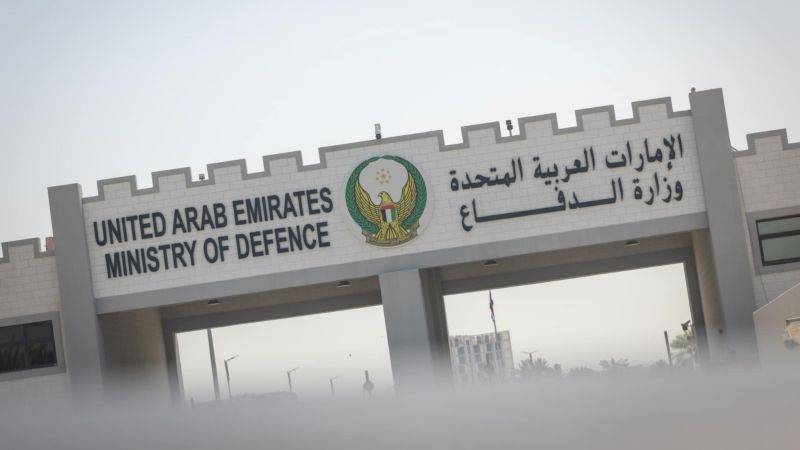
DUBAI – The United Arab Emirates (UAE) activated its air defence systems early Friday morning after incoming missile and drone threats linked to Iran triggered interceptions across parts of the country, as tensions in the Gulf region escalated sharply.
Residents received emergency alerts at 6.36am UAE time, urging them to remain in safe locations and follow official updates while defence systems responded to the threats.
تتعامل حالياً الدفاعات الجوية الإماراتية مع اعتداءات صاروخية وطائرات مسيرة قادمة من ايران وتؤكد وزارة الدفاع أن الاصوات المسموعة في مناطق متفرقة من الدولة هي نتيجة تعامل منظومات الدفاعات الجوية الإماراتية للصواريخ الباليستية، والجوالة والطائرات المسيرة.
— وزارة الدفاع |MOD UAE (@modgovae) May 8, 2026
UAE Air Defences system… pic.twitter.com/zXBJJUad1T
The developments unfolded amid a fast-moving military confrontation between the United States and Iran near the Strait of Hormuz, sending shockwaves through global oil markets and raising security concerns across the region.
Emergency alert
The National Emergency Crisis and Disasters Management Authority warned residents to stay in secure locations and monitor official communication channels for updates. Social media platforms were quickly flooded with reports of sounds heard in different emirates as interception systems were activated.
The Media Office of the Government of Fujairah later confirmed that the sounds heard across parts of the emirate were the result of successful air interceptions. Authorities stressed the importance of relying only on verified information and cautioned against spreading rumours or unconfirmed reports during the incident.

No casualties or material damage were immediately reported by UAE authorities following the interceptions.
Strait of Hormuz tensions
The regional security situation intensified after the US military confirmed strikes on Iranian military targets. According to the US military, the operation came after Iran launched missiles, drones and fast attack craft towards three US Navy vessels transiting the Strait of Hormuz.
The targeted vessels were identified as the USS Truxtun, USS Rafael Peralta and USS Mason. US Central Command, known as CentCom, said none of the incoming projectiles struck American assets.
The latest confrontation marked a significant escalation in tensions between Washington and Tehran around the Strait of Hormuz, one of the world’s busiest and most strategically important energy shipping routes.
Oil prices jump
Oil prices rebounded strongly on Friday after declining nearly 10 percent over the previous three days. Concerns that the latest military escalation could prolong instability in the Gulf pushed crude prices higher during early trading.
At around 0230 GMT, US benchmark West Texas Intermediate crude climbed 1.2 percent to $95.93 per barrel, while Brent North Sea crude rose 1.5 percent to $101.56.
Asian equity markets also retreated as investor confidence weakened following the latest developments. Declines were recorded across Seoul, Tokyo, Hong Kong, Sydney, Shanghai, Singapore, Wellington, Taipei, Manila and Jakarta as traders reacted to the growing uncertainty surrounding the Iran-US confrontation.