

New plan: Dubai links roads, public transport and airports to prepare for a surge in travel
Authorities review mobility needs linked to rising passenger, population and visitor numbers
DUBAI – Dubai is stepping up coordination between its transport and aviation networks as the emirate prepares for continued growth in passenger numbers, population and urban development.
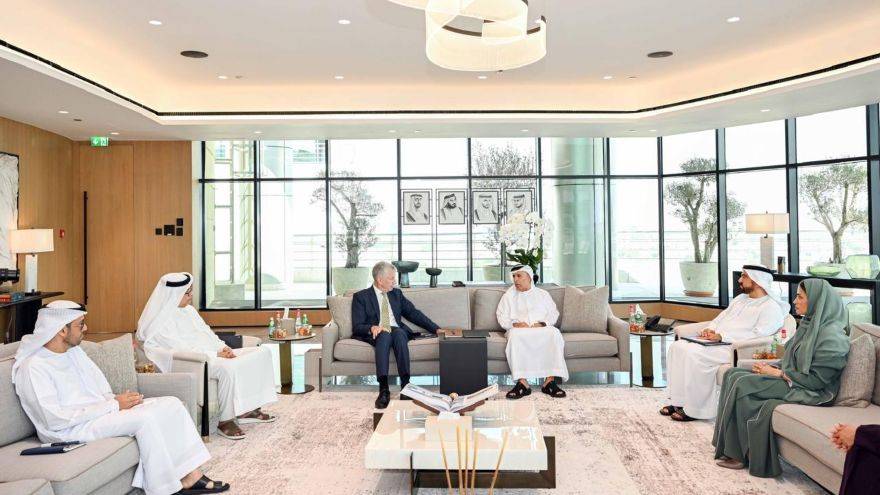
Mattar Al Tayer, Director General and Chairman of the Board of Executive Directors of Dubai’s Roads and Transport Authority (RTA), met Paul Griffiths, Chief Executive Officer of Dubai Airports, to discuss closer integration between the two sectors. The meeting focused on improving traffic flow around Dubai International (DXB), planning for Dubai World Central (DWC) and creating more seamless connections between airports, roads and public transport.
Airport access
Al Tayer and Griffiths reviewed traffic projects and proposed solutions targeting road corridors leading to and from DXB. The discussions also covered future transport plans for DWC, which is located in the Dubai South area and is expected to play an increasingly important role in the emirate’s aviation and wider urban development.
The two sides examined how transport infrastructure can be better aligned with aviation plans, with the aim of facilitating passenger movement and improving access for residents, visitors, employees and other airport users.
Al Tayer said integration between transport and aviation systems is a key pillar in supporting Dubai’s competitiveness and its position as a global hub for economic activity, tourism and aviation.
He noted that the RTA is working with strategic partners to develop an integrated and flexible network of roads and public transport modes capable of keeping pace with Dubai’s rapid population and visitor growth, while supporting continued urban and economic expansion.
Al Tayer also highlighted the strategic importance of DWC and Dubai South in the RTA’s future plans, citing the area’s rapid urban and economic growth and its role in Dubai’s wider development.
Future mobility
Griffiths said close cooperation with the RTA is essential to developing an integrated travel experience for passengers from the point they begin their journey to the airport and throughout their trip.
He said integrating airports with road networks and different forms of public transport would be an important element of Dubai’s future travel plans as the emirate enters another phase of growth.
Dubai Airports will continue working with the RTA on a flexible mobility ecosystem focused on access, efficiency and passenger service, Griffiths added. He also pointed to the continuing role of DXB and DWC as major gateways for international travel and aviation.
Joint planning
The meeting also reviewed the RTA’s future road and public transport projects, particularly those intended to accommodate anticipated growth at DWC and in Dubai South. Improving access to the area from different parts of Dubai was among the issues discussed.
Both sides also examined how transport infrastructure plans could be aligned with the aviation sector’s future requirements. Continued coordination between their respective teams will support integrated planning for upcoming projects and strengthen connections between airports, road networks and public transport.
The coordination is intended to improve traffic flow, respond to requirements arising from population and urban growth, and support mobility for passengers, employees and customers.
Majed Al Joker, Chief Operating Officer of Dubai Airports, attended the meeting. The RTA delegation included Abdul Muhsen Kalbat, CEO of the Rail Agency; Moaza Saeed Al Marri, CEO of the Executive Affairs Sector; Hussain Al Banna, CEO of the Traffic and Roads Agency; and Muna Al Osaimi, CEO of the Strategy and Corporate Governance Sector.