

Dubai Customs and Emirates SkyCargo move to integrate sea–air cargo systems
Advanced inspection technology showcased at Jebel Ali Port
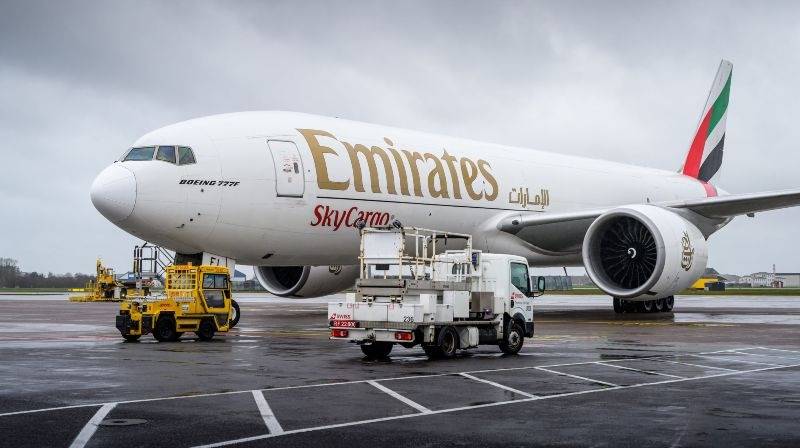
DUBAI – Dubai Customs and Emirates SkyCargo have stepped up efforts to integrate sea and air cargo operations, as Dubai accelerates plans to strengthen supply chain resilience and streamline the movement of goods through the emirate.
Senior officials from both sides met this week to advance coordination between maritime and air freight systems, with a focus on digital connectivity and aligned logistics services. The move forms part of broader efforts to reinforce Dubai’s position as a fully connected global trade and logistics hub.
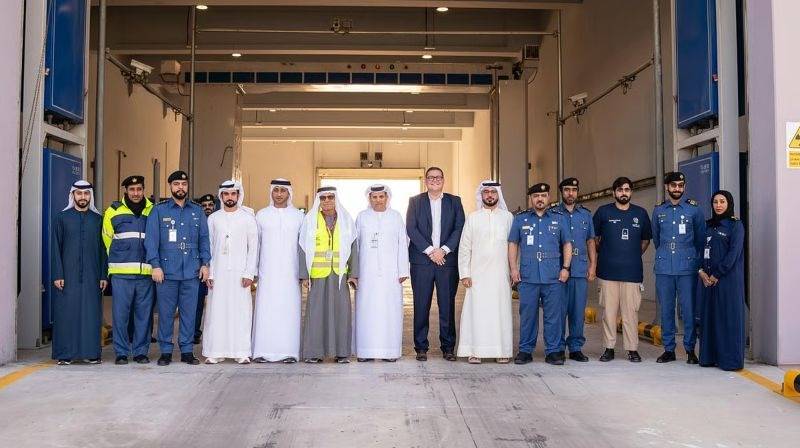
The strategic meeting was held at the Jebel Ali and TECOM Customs Center and brought together senior leadership from Dubai Customs and the cargo arm of Emirates Airline. Dubai Customs was represented by Mohammed Abdullah Al Suwaidi, Acting Director of Air Cargo Centres Management, Waleed bin Darwish, Director of Sea Customs Centres Management, along with inspection managers. Emirates SkyCargo’s delegation included Abbas Haji, Vice President of Air Cargo Operations, Hendrik Lissens, Vice President of Operations, Planning and Project Delivery, and Humaid Al Houti, Director of Regulatory Affairs for Air Cargo.
Digital integration
Discussions centred on integrating digital systems that manage maritime and air cargo operations to support the smooth flow of global supply chains through Dubai. Officials said closer system connectivity would enable seamless transfers of goods from shipping containers to aircraft, while allowing more accurate, end-to-end tracking of commercial shipments.
The proposed integration is designed to reduce delays, lower operational friction and improve predictability across cargo movements. By aligning processes between seaports and air cargo centres, Dubai Customs and Emirates SkyCargo aim to enhance efficiency while maintaining compliance with international customs and regulatory standards. Officials said the initiative supports Dubai’s wider trade and logistics strategy by strengthening links between regional markets and global trade routes.
Inspection technology
During the meeting, Dubai Customs showcased its advanced inspection system at Jebel Ali Port, highlighting its role in accelerating cargo clearance without compromising regulatory controls. The system screens shipments, vehicles, oversized equipment and yachts using X-ray technology, significantly increasing inspection capacity.
Dubai Customs said inspection time has been reduced from up to six hours under manual processes to around five minutes using the automated system. The technology operates in two modes: a fixed gantry mode, where vehicles remain stationary during scanning, and a mobile mode that allows scanning as vehicles pass through. Officials said this flexibility supports faster throughput at one of the region’s busiest ports.
Public-private coordination
Mohammed Abdullah Al Suwaidi said the meeting reflected ongoing efforts to deepen coordination between public and private sector stakeholders to improve trade facilitation. He said closer integration between sea and air cargo operations would increase the speed and efficiency of supply chains, reinforcing Dubai’s competitiveness as a global trade hub.

Abbas Haji said cooperation with Dubai Customs strengthens Emirates SkyCargo’s ability to track shipments accurately and deliver integrated logistics solutions. He noted that enhanced system connectivity supports time-critical cargo movement while ensuring full compliance with customs procedures.
Planning and data
Hendrik Lissens said integration between maritime and air transport extends beyond the physical transfer of goods to include joint planning, data sharing and coordination among stakeholders. He said the objective is to minimise delays, streamline inspections and improve reliability across cargo flows moving through Dubai.
Waleed bin Darwish said Dubai Customs continues to expand smart cargo monitoring systems and automate customs procedures to support businesses and investors. He said ongoing technology development remains focused on balancing speed, security and regulatory compliance as trade volumes grow.
Dubai Customs also highlighted its broader use of advanced technologies and artificial intelligence to support logistics operations and maintain uninterrupted trade flows. Officials said these initiatives enhance the emirate’s ability to respond to global supply chain disruptions and align with Dubai’s economic direction of building a highly advanced, interconnected trade ecosystem.
The meeting concluded with both sides agreeing to deepen operational integration and launch joint initiatives focused on secure and sustainable trade. Dubai Customs and Emirates SkyCargo said the next phase will centre on deploying smart systems and collaborative projects aimed at supporting future logistics requirements and strengthening confidence in Dubai’s customs and logistics infrastructure.