

Longest solar eclipse in 100 years: When and where to watch in UAE
Rare celestial alignment to create extended period of darkness
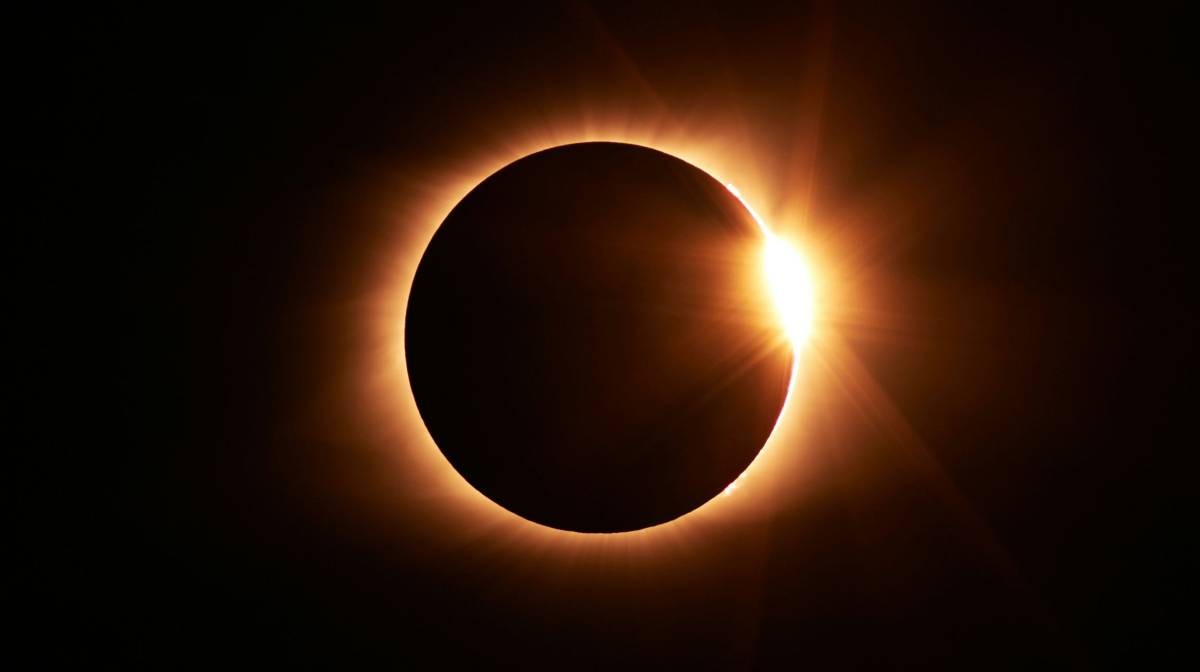
DUBAI: A rare total solar eclipse is set to grace the skies on August 2, 2027, offering over six minutes of complete darkness across parts of three continents.
Although the UAE will witness only a partial eclipse, the event is still significant – the last total solar eclipse visible from the country occurred in 2003, and the next is not expected until 2081.
The eclipse will be the longest seen from land between 1991 and 2114, lasting up to six minutes and 23 seconds. Unlike typical solar eclipses which last under three minutes, this one presents a rare opportunity for extended observation of the Sun’s corona – the ethereal outer atmosphere only visible during totality.
Path of totality
The eclipse’s path of totality – where the Moon will completely block the Sun – begins over the Atlantic Ocean and sweeps across southern Spain, northern Morocco, Algeria, Tunisia, Libya, central Egypt, Sudan, Saudi Arabia, Yemen, and Somalia. It concludes over the Indian Ocean near the Chagos Archipelago.
Ideal viewing locations include Luxor and Sohag in Egypt, where the skies are typically clear and dry in August. Libya also falls within the optimal zone. In these regions, viewers will experience the full duration of totality, with the shadow corridor measuring approximately 258 kilometres wide.
Local timings
Timings will vary depending on location. In southern Spain, totality is expected between 1:30pm and 2:00pm CEST, while in Egypt and Libya, the eclipse peaks between 2:00pm and 2:30pm EET. For viewers in the UAE, a partial eclipse will be visible in the afternoon, though exact timings will depend on your emirate.
Why it’s exceptional
This eclipse’s extraordinary length is due to several rare astronomical factors. Earth will be at aphelion – its farthest point from the Sun – making the Sun appear slightly smaller in the sky. Simultaneously, the Moon will be at perigee, its closest point to Earth, appearing larger and covering the Sun more completely.
Additionally, the eclipse’s equatorial path slows the Moon’s shadow as it crosses the Earth, further extending the duration of totality.
Eclipses in the UAE
The last total solar eclipse visible from the UAE occurred on November 24, 2003. Since then, only partial eclipses have been seen – including the annular “ring of fire” in December 2019 and partial eclipses in 2022. The next opportunity to witness a total solar eclipse from within the UAE will be on September 3, 2081.
So while August 2, 2027, may not offer total darkness in the UAE, residents can still mark their calendars for an awe-inspiring partial eclipse, as millions across the globe witness a century-defining astronomical event.