

Flexible hours, site safety and emergency plans advised during unstable weather in UAE
Employers must adopt flexible schedules and protective measures
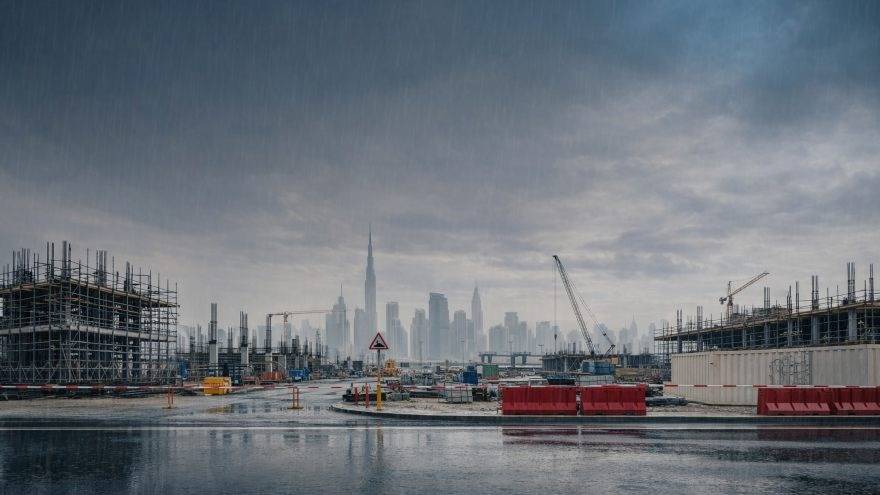
DUBAI – As heavy rainfall and strong winds continue across the United Arab Emirates (UAE), the Ministry of Human Resources and Emiratisation (MoHRE) has issued comprehensive guidelines for employers, workers, and construction sites.
The instructions aim to safeguard personnel, maintain operational safety, and ensure continuity amid the unstable weather.
Companies are encouraged to adopt flexible work arrangements, monitor site conditions, and provide essential facilities for their staff.
WORKSITE SAFETY
Assess risks: Employers are instructed to carefully assess risks at work sites, especially in open areas and locations vulnerable to flooding. High-risk activities should be rescheduled when necessary, and drainage systems must be regularly inspected and fully operational to prevent water accumulation.
In the current weather conditions, the safety of the workforce remains a top priority, and business continuity is a shared responsibility.
— وزارة الموارد البشرية والتوطين (@MOHRE_UAE) March 24, 2026
Adhering to preventive measures helps ensure a safe work environment and reduces risks across work sites and worker accommodations.
Swipe… pic.twitter.com/KaJoWBw8Qj
Construction sites: All construction zones should remain clear during thunderstorms and heavy rain. Supervisors must assign personnel to oversee safety protocols, coordinate emergency responses, and maintain communication with relevant authorities.
TRANSPORT & WORKFORCE MOBILITY
Vehicle safety: Companies are advised to ensure all transport vehicles are fit for operation and drivers are briefed on safe driving practices. Routes affected by flooding or water accumulation should be avoided, and working hours should be adjusted according to weather conditions.
Employee movement: Staff are encouraged to travel only when necessary and remain cautious while commuting. Employers should facilitate alternative transport arrangements if required to avoid unnecessary exposure to hazardous conditions.
WORKER ACCOMMODATION
Safety and hygiene: Employee accommodation areas should be closely monitored to prevent water accumulation indoors or in surrounding spaces. Electrical installations need regular inspection to mitigate risks, and essential supplies such as food, water, and emergency kits should be readily available.
— وزارة الموارد البشرية والتوطين (@MOHRE_UAE) March 24, 2026
Emergency preparedness: Clear emergency response plans must be established at all worksites, with designated supervisors responsible for immediate intervention. Coordination with civil defence and other relevant authorities is essential to handle unforeseen incidents promptly.
PUBLIC HEALTH AND SAFETY
Thunderstorm precautions: The National Emergency Crisis and Disasters Management Authority (NCEMA) warns workers to avoid using mobile or wired phones outdoors during thunderstorms. Staff should remain clear of flooded areas, trees, lamp posts, metal doors, and glass facades.
Coastal and marine activity: Employees involved in marine or coastal work are instructed to suspend activities until conditions stabilise. Pools, floodwaters, and rivers should be avoided entirely to prevent accidents or health hazards.
These measures are designed to maintain the health and safety of workers during the period of unstable weather, while also ensuring continuity in essential operations and minimizing disruption to critical services.