

Wizz Air to resume Israel flights as Abu Dhabi exit begins
Hungary-based low-cost airline halted Tel Aviv operations in June
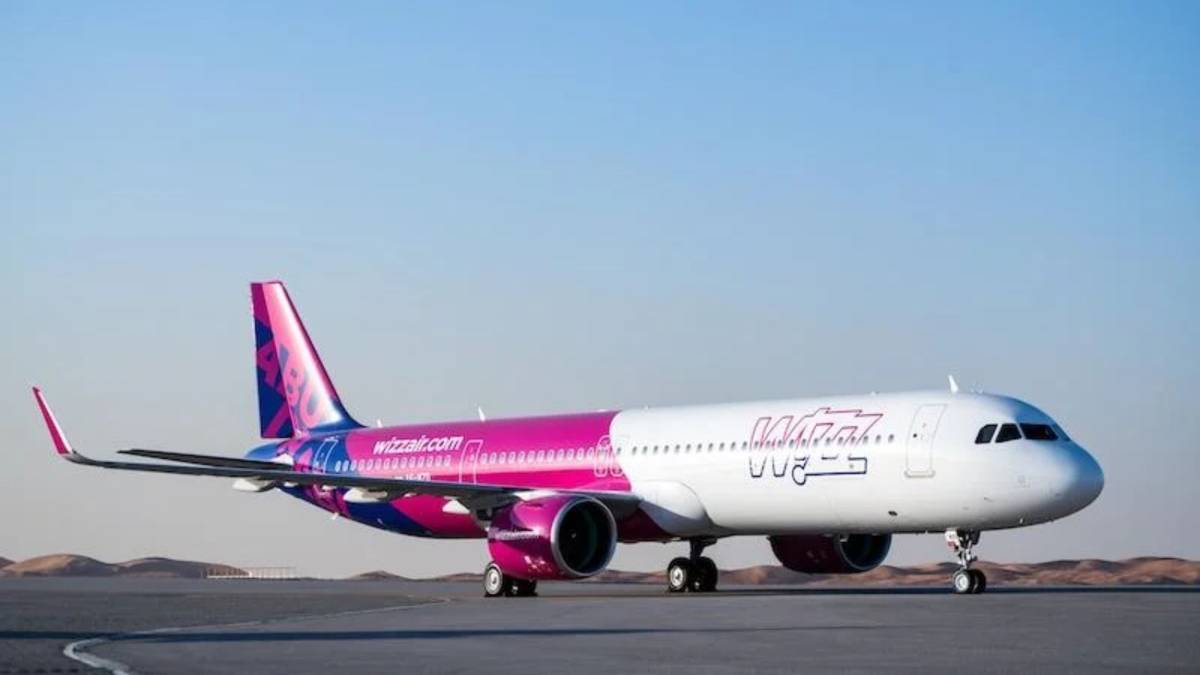
ABU DHABI: Wizz Air has confirmed it will resume flights to Israel from 8 August, marking a swift return to one of its key international markets after a June suspension during the Israel-Iran conflict.
The airline expects to restore full capacity by September, with plans to become Israel’s largest inbound European carrier.
The Hungary-based low-cost airline halted Tel Aviv operations in June amid escalating tensions in the region, which also led to groundings and airspace closures across the Middle East. However, Wizz Air CEO Jozsef Varadi told Reuters that safety conditions have since stabilised, allowing the airline to proceed with its return.
“Operations are totally safe and secured right now,” Varadi said, emphasising the airline’s robust monitoring systems. He noted that European airlines have been hesitant to return, but Wizz Air intends to surpass the combined presence of all European competitors in Israel.
Routes and readiness
Initial reinstated routes will connect Tel Aviv with Budapest, London Luton, Milan Malpensa, Vienna, Bucharest, Sofia and Larnaca. Prior to suspension, Wizz Air offered 15 routes to the city, with nearly 47,200 weekly seats, according to OAG Schedules Analyser.
Varadi highlighted that the European Union Aviation Safety Agency (EASA) has downgraded its threat level for Israeli airspace. “Israel became as benign as operating inside Europe from a regulatory perspective,” he said, while acknowledging that volatility in the region could still return.
Despite classifying Israel as a “hot and harsh” environment due to its high operating costs and demanding conditions, Wizz views it as a high-value market.
Abu Dhabi exit
The return to Israel coincides with the airline’s decision to close its loss-making base in Abu Dhabi. Established six years ago to expand in the Gulf region, the hub represented just 5% of Wizz Air’s Israeli capacity.
Varadi confirmed that the exit would not significantly impact the airline’s Israel strategy. Much of the capacity from Abu Dhabi will be shifted to Central and Eastern Europe as the carrier scales back its projected growth rate to 10-12% annually, down from an earlier 20%.
Competitive landscape
While Wizz Air readies for its August comeback, other major carriers are taking a more cautious approach. Ryanair will not resume Israel flights until 25 October, and easyJet has deferred its return to March next year.
Still, Wizz Air remains bullish about its position in the Israeli market, betting on a quick recovery and increased demand for travel to and from the region.