

What is Hag Al Laila? The Emirati mid-Sha’ban celebration explained
A Gulf custom rooted in generosity, family bonds and childhood joy

DUBAI – Hag Al Laila is one of the UAE’s most recognisable heritage celebrations, observed each year on the 15th night of Sha’ban in the Islamic calendar, just weeks before Ramadan begins.
Though not a public holiday, it holds deep cultural meaning and is widely celebrated in neighbourhoods, schools and community spaces. The occasion is especially beloved by children, who take centre stage in a tradition built on generosity, joy and togetherness.
The name itself is closely tied to Gulf folklore, and in the UAE the night is associated with giving, blessings and social connection. Similar celebrations exist across the region under names such as Qarqia’an or Garangao, though those are often observed at different points in the Islamic calendar. In the Emirates, Hag Al Laila remains firmly linked to mid-Sha’ban, marking a spiritual and cultural moment before the fasting month.
Children first
On Hag Al Laila evening, children dress in traditional Emirati clothing, with girls often wearing embroidered dresses and boys in kanduras. They carry decorated fabric bags or woven baskets and walk through their neighbourhoods in groups. Singing traditional songs, they knock on doors and receive sweets, nuts and small treats from families who prepare in advance for the occasion.
Homes are stocked with colourful candies and packaged goodies, and many families decorate gathering areas to create a festive atmosphere. The act of giving to children symbolises generosity and reinforces bonds between neighbours, reflecting long-standing social values in Emirati culture.
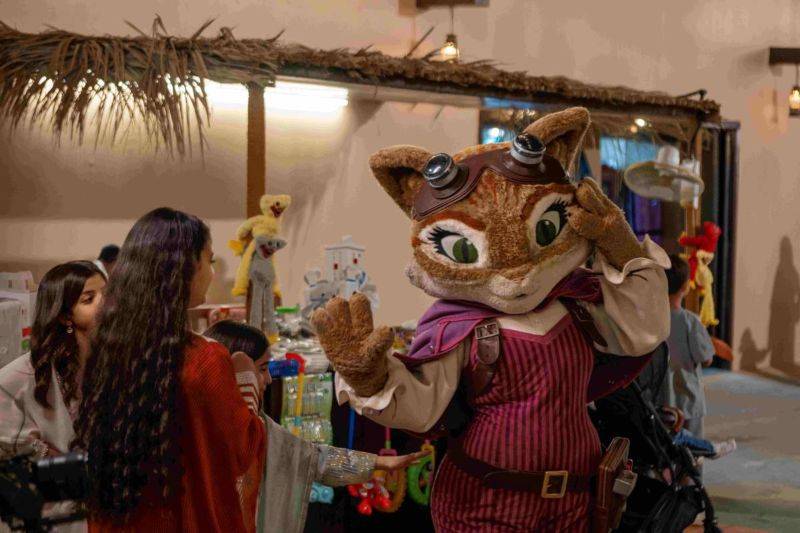
While the tradition has historical roots, its practice today blends heritage with modern community life. Schools frequently organise Hag Al Laila activities, where pupils learn about the occasion’s meaning through crafts, storytelling and cultural performances. Residential communities and cultural centres also host themed evenings, allowing families to celebrate in shared spaces.
The night is widely seen as a moment to pass traditions from one generation to the next. Elders explain songs, clothing styles and customs, ensuring cultural knowledge remains alive in a rapidly changing society.
Hag Al Laila across Gulf
Across the Gulf, similar sweet-collecting celebrations exist, particularly in Kuwait, Bahrain, Qatar and parts of Saudi Arabia and Oman.
Although dates and names may differ, the core elements remain the same: children in traditional dress, door-to-door visits and an emphasis on generosity.