

Dubai launches global challenge to build world’s first robot-constructed residential villa
New strategy targets automation and off-site construction by 2030

DUBAI – The Dubai Municipality has launched a global challenge to construct the world’s first residential villa built entirely using robotic construction systems, marking a major milestone in the evolution of advanced building technologies.
The initiative brings together local and international expertise under a single, large-scale pilot designed to demonstrate the practical application of robotics in real residential development. It positions Dubai as a testing ground for next-generation construction models focused on productivity, sustainability and quality.
The challenge will be delivered through a consortium led by Dubai Municipality and comprising more than 25 advanced technology companies and academic institutions from around the world. The project is intended to serve as a scalable reference model for future residential developments, reinforcing Dubai’s role as a global platform for construction innovation.
Robotic construction
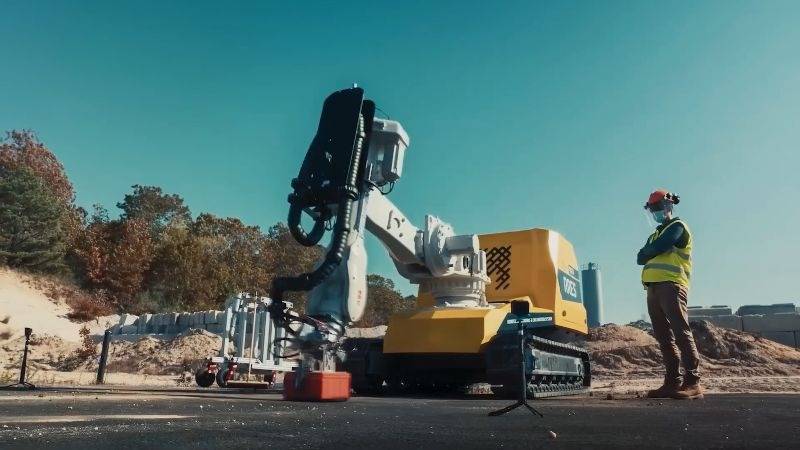
The residential villa will be constructed using fully integrated robotic systems, in partnership with Zacua Ventures and the Würth Group. Specialised construction robotics firms will work alongside local contractors and engineering companies to deliver the project, combining automation with regulatory oversight and on-ground expertise.
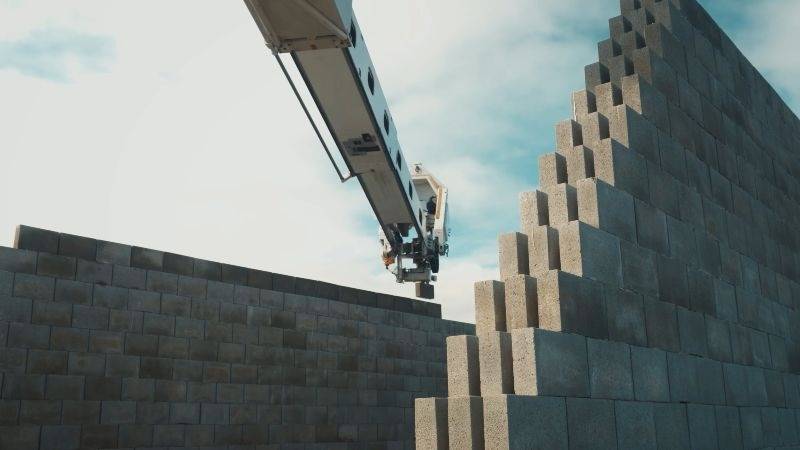
Dubai Municipality said the initiative reflects a shift from experimental technology trials to real-world deployment, demonstrating how robotics can be applied across core construction processes. The project aims to improve build accuracy, reduce material waste, enhance site safety and address long-term labour challenges facing the global construction industry.
The announcement was made during an event marking the activation of the Construction Innovation and Research Centre, known as 04 ConTech Valley, launched in partnership with Expo City Dubai. The centre has been established following the signing of an agreement to create a dedicated hub for innovation and research in construction materials, systems and technologies. It is designed to support the development of next-generation construction solutions, urban systems and future city infrastructure.
Global ConTech Report
During the event, Dubai Municipality also launched the Global ConTech Report in collaboration with Zacua Ventures. The report examines the rapid global adoption of construction technologies and projects that total investments in the sector will exceed $30 billion by 2033, growing at an annual rate of 17.5%.
According to the report, labour shortages remain one of the most pressing challenges confronting the construction industry worldwide, accelerating the shift towards automation, robotics and additive manufacturing. It highlights artificial intelligence, robotics, infrastructure technology and prefabrication as the most influential technologies shaping the future of construction.
The report positions Dubai as a key contributor to this transformation, supported by regulatory leadership, public-private partnerships and a growing ecosystem of technology providers and investors.
ConTech Working Group
On the sidelines of the event, Dubai Municipality announced the launch of the ConTech Working Group in collaboration with Dubai Chambers. The Working Group has been established as a structured institutional platform bringing together government entities, developers, contractors, technology companies, investors and researchers.
Its mandate is to advance innovation, efficiency and governance across the construction sector through coordinated collaboration. The group is expected to play a central role in aligning policy, investment and technology adoption, while supporting the commercialisation of new construction solutions.
Dubai Municipality also signed three cooperation agreements with Zacua Ventures, the Dubai Future District Fund and LAB Ventures. The agreements aim to establish a sustainable innovation pathway for the construction sector by supporting startups, facilitating access to pilot projects, strengthening ecosystem engagement, and enhancing research, development and investment in emerging technologies. They are also designed to attract construction technology companies from around the world to establish operations in Dubai.
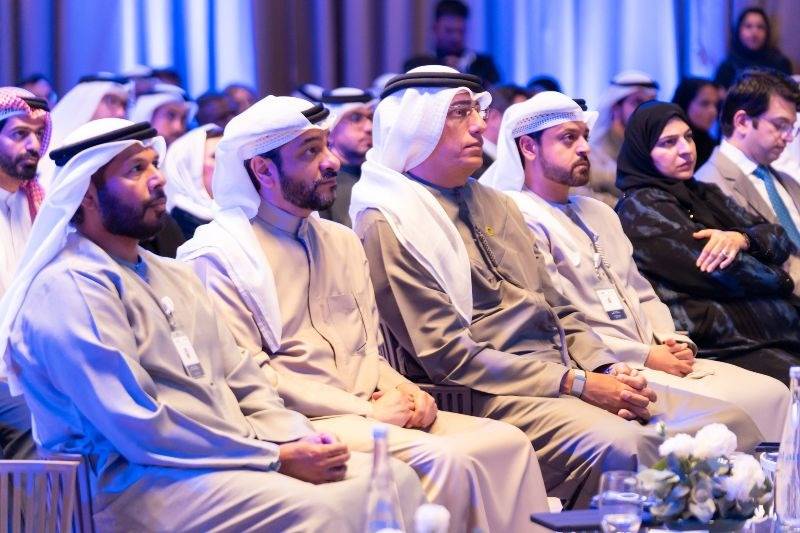
Marwan Ahmed bin Ghalita, Director General of Dubai Municipality, said the adoption of advanced construction technologies is central to Dubai’s vision for a more efficient, sustainable and resilient construction sector, guided by a comprehensive and future-focused technology strategy.
70-70 Strategy
Dubai Municipality, in collaboration with Sobha Realty, also announced the launch of the 70–70 Strategy for 2030. The strategy targets shifting 70% of construction activity to off-site manufacturing, while achieving at least 70% automation within factories by the end of the decade. The initiative is expected to enhance construction quality, reduce timelines and improve sustainability across the sector.
The event also featured discussions between public and private sector partners and construction technology startups, focusing on opportunities, challenges and a roadmap for construction technology development under Dubai Municipality’s leadership.
In addition, Dubai Municipality announced the accreditation of China State Construction Engineering Corporation for its modular construction system, marking a new milestone in smart construction standards in the emirate. AMANA also confirmed plans to adopt modular construction systems to develop shared workspaces for youth within public facilities, creating flexible and integrated working environments.