

Solar shift: New Abu Dhabi policy opens door for villas and buildings to generate power
Simplified rules accelerate solar installation and grid integration for households
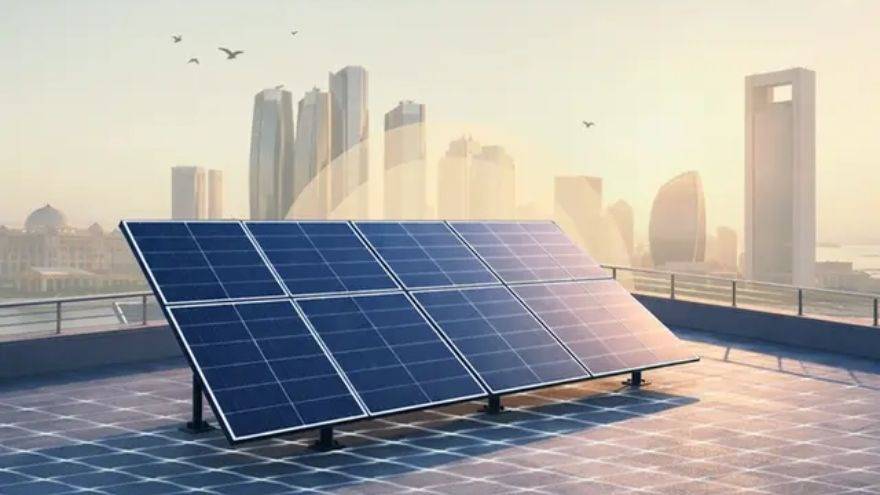
ABU DHABI – The residential energy landscape in Abu Dhabi is set for a notable transformation following the launch of the second phase of the Solar Energy Self-Supply Policy by the Abu Dhabi Department of Energy (DoE).
For the first time, villa owners and eligible residential buildings will be able to generate and store electricity through rooftop solar systems, marking a significant step towards decentralised and sustainable energy use. The policy enables households to integrate solar power with the grid more efficiently, allowing them to meet a substantial share of their daily energy needs, particularly during daylight hours.
This expansion builds on the success of the first phase, which was introduced during the World Government Summit in February and initially focused on farms, rest houses and ranches.
.@abudhabidoe has expanded the Solar Energy Self-Supply Policy to include the residential sector, enabling villa owners and residential buildings to generate and store electricity from rooftop solar systems and improve energy consumption efficiency. pic.twitter.com/RLEfyt3kf1
— مكتب أبوظبي الإعلامي (@ADMediaOffice) March 31, 2026
The inclusion of the residential sector reflects the growing demand for renewable energy solutions across all segments of society. It also aligns with broader national objectives aimed at meeting rising energy needs through advanced, efficient and environmentally responsible technologies.
Policy expansion
The second phase introduces a more accessible framework for homeowners, streamlining the process of installing rooftop solar systems and connecting them to the electricity grid. By simplifying regulatory requirements, the policy reduces barriers for residential participation, making solar adoption more practical and attractive for everyday consumers. Standardised technical requirements have also been introduced to ensure safety, reliability and optimal performance across all installations.
This structured approach is designed to support a wider rollout of solar energy systems while maintaining high operational standards. It allows residents to contribute to the energy system without compromising efficiency or grid stability, reinforcing the role of households as active participants in energy generation rather than passive consumers.
Energy efficiency
Alongside solar generation, the policy promotes efficient energy consumption through a dedicated framework focused on appliances and household systems. It encourages the use of energy-efficient technologies in key areas such as air conditioning, water heating, lighting and electrical appliances, alongside pumps, motors and irrigation systems. By selecting solutions based on actual performance data and lifecycle costs, households can make informed decisions that reduce both consumption and long-term expenses.
The DoE has also highlighted best practices for operation and maintenance, as well as the integration of smart control systems. These measures contribute to lowering energy and water consumption while reducing peak load demand. For residential users, this translates into improved cost efficiency and enhanced control over daily energy usage patterns, particularly during periods of high demand.
Storage & integration
A defining feature of the new phase is the integration of battery storage systems, enabling households to store excess solar energy generated during the day for use later. This capability significantly enhances energy independence, allowing residents to rely less on the grid while maintaining a consistent supply of electricity.
At a system level, this approach helps reduce pressure on the electricity network by smoothing out demand fluctuations and improving load management across the emirate. The ability of residential users to generate and store power also supports more balanced energy distribution, contributing to the stability and resilience of the overall grid infrastructure.
Sustainability goals
The policy forms part of the DoE’s broader commitment to advancing Abu Dhabi’s transition towards a more efficient and sustainable energy system. It aligns with the emirate’s Energy and Water Efficiency Strategy 2030, which aims to optimise resource use through a combination of regulatory frameworks, technological solutions and behavioural change.
By enabling a wider segment of the population to participate in clean energy generation, the initiative strengthens partnerships between the government and residents in achieving sustainability targets. It reflects a comprehensive approach that integrates technical innovation with practical measures, ensuring that efficiency gains are realised at both individual and system levels.