

From sky to street: Dubai’s air and self-driving taxis launch timeline revealed
Pilots and passengers to enjoy faster journeys across the city soon
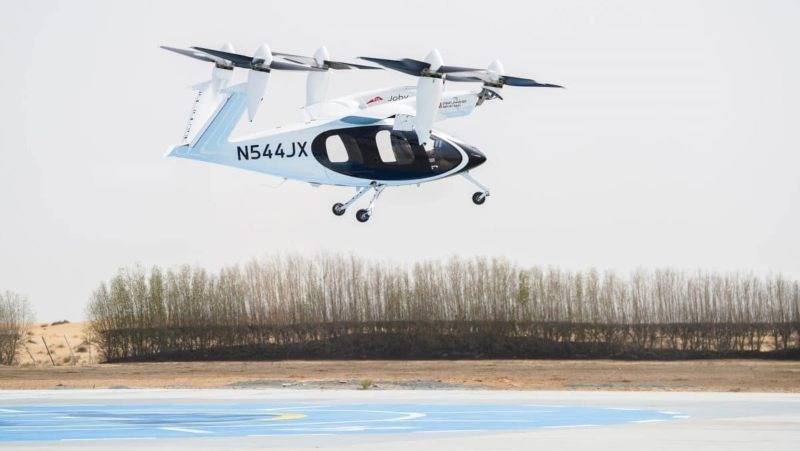
DUBAI is racing towards the future of mobility, with commercial air taxis expected to launch by the end of 2026 and self-driving taxis rolling out in early 2026.
The city aims to transform how residents and visitors move, combining innovation, speed, and sustainability in a single transport network. Roads and Transport Authority (RTA) chief Mattar Al Tayer confirmed these timelines during the World Governments Summit, emphasising that Dubai is moving rapidly from planning to operational projects.
“Dubai is taking a serious approach in dealing with future projects. We do what we say, and we say what we do,” Al Tayer said, highlighting the city’s commitment to turning concepts into reality.
Air taxi rollout
The air taxi project, developed with Skyports and aviation partners including JOBY Aviation, is set to begin operations from four key vertiports by the end of 2026. The initial locations include Dubai International Airport, Dubai Downtown, Dubai Marina, and Palm Jumeirah, connecting major hotels, business hubs, and transport nodes.
Designed as an electric vertical take-off and landing (eVTOL) aircraft, each air taxi can carry a pilot and four passengers at speeds up to 320km/h. A flight from Dubai International Airport to Palm Jumeirah, which currently takes around 45 minutes by car, is expected to take just ten minutes.
With six rotors for added safety, these electric air taxis promise quieter flights than helicopters, flying between 1,000 and 3,000 feet above the ground. Tickets are expected to cost similar to Uber Black rides, while Uber integration will allow passengers to hail and pay for air taxis directly through the app.
Self-driving taxis
Dubai’s self-driving taxi network will launch in the first quarter of 2026. After ten months of planning and high-level coordination led by His Highness Sheikh Hamdan bin Mohammed bin Rashid Al Maktoum, a dedicated command and control centre is now operational. This centre links autonomous vehicles to Dubai’s intelligent transport systems, enabling real-time traffic and operational management.
Pilot testing of self-driving taxis has been underway in collaboration with global technology companies, including China’s Baidu. The vehicles are designed to solve the “first and last mile” challenge, helping residents travel seamlessly from their homes to transport hubs or offices. The testing phase allows residents to experience autonomous vehicles while RTA refines safety and efficiency protocols.
Vertiports in Dubai
Al Tayer stressed that infrastructure underpins Dubai’s economic growth and quality of life. The city’s strategy focuses on turning discussions at global forums into tangible projects that attract business and investment. The development of vertiports, parking facilities, and connected command centres ensures that both air and self-driving taxis integrate smoothly into Dubai’s transport ecosystem.
Public parking group Parkin is developing facilities at vertiports to allow commuters to park and ride, further reducing traffic congestion. Long-term plans include extending air taxi services between Dubai and Abu Dhabi, effectively connecting the two cities with rapid aerial transport.
Technology and safety
JOBY Aviation has conducted over 40,000 miles of test flights, including trials in hot-weather conditions at Edwards Air Force Base in the US. Dubai authorities are conducting rigorous testing to ensure operational readiness and safety, with certification requiring a five-stage process covering operating manuals, facility inspections, pilot and mechanic training, and flight operations.
Safety remains a top priority, with multi-rotor designs and electric propulsion reducing risks and environmental impact. Electric flights produce no emissions and minimise noise pollution, offering a sustainable alternative to conventional transport modes.
Future prospects
Both air taxis and self-driving vehicles represent a significant leap forward in urban mobility. Dubai’s fleet of flying taxis is expected to grow to around 100 vehicles, eventually making air travel as common as public buses. Self-driving taxis, meanwhile, will integrate with intelligent road networks to improve efficiency, reduce congestion, and enhance passenger convenience.