

Why the UAE marks Union Pledge Day and what makes July 18 historically significant
The day honours the Founding Fathers and the birth of a nation
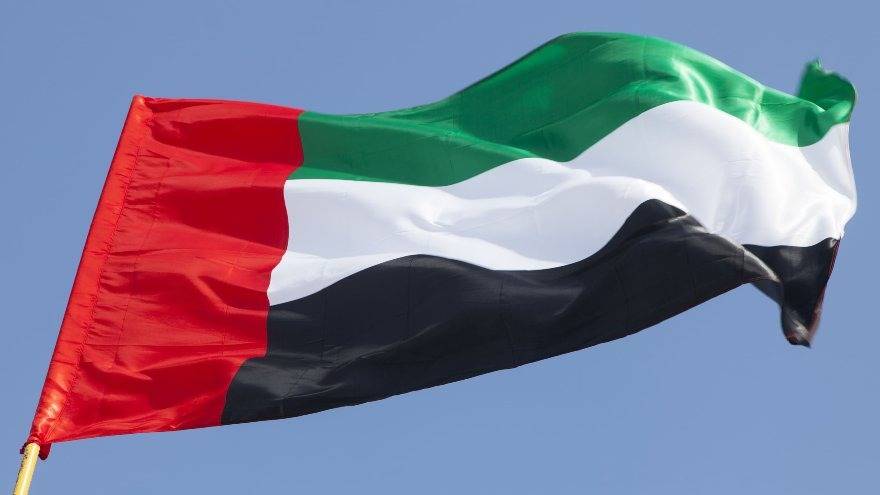
DUBAI – The UAE marks Union Pledge Day on July 18, commemorating one of the most significant milestones in the country's history.
The annual national occasion honours the signing of the Declaration of the Union and the UAE Constitution by the Founding Fathers in 1971, the historic step that paved the way for the establishment of the United Arab Emirates on December 2 that year. This year's observance also celebrates a 55-year journey defined by development, prosperity and growing international influence.
Approved by President His Highness Sheikh Mohamed bin Zayed Al Nahyan in 2024, Union Pledge Day pays tribute to the vision of the late Sheikh Zayed bin Sultan Al Nahyan and the Founding Rulers, whose commitment to unity laid the foundations of the modern UAE. The occasion also renews the national pledge to strengthen loyalty, belonging and social cohesion while preserving the legacy of the country's founders.
Union Pledge Day
The significance of July 18 lies in the events of 1971, when the Founding Fathers signed the Document of Union and the Constitution of the Emirates, officially announced the name "United Arab Emirates", and prepared the nation for formal unification on December 2 following the departure of the British.
Announcing the occasion last year, Sheikh Mohamed described July 18 as "a historic day" on which the foundations of the Union were established, declaring that it would henceforth be observed annually as Union Pledge Day.
While the UAE celebrated 54 years since its formation in 2025, this year's observance reflects a 55-year national journey that has transformed the federation of Abu Dhabi, Dubai, Sharjah, Ajman, Ras Al Khaimah, Umm Al Quwain and Fujairah into one of the world's leading nations.
Over the decades, the UAE has evolved from a young federation into a globally influential country through the comprehensive development vision initiated by the late Sheikh Zayed, carried forward by the late Sheikh Khalifa bin Zayed Al Nahyan, and continued under the leadership of President Sheikh Mohamed.
The country's progress is reflected across global rankings and economic performance. According to the 2026 World Competitiveness Report, the UAE ranked fifth globally and retained its position as the regional leader for the tenth consecutive year. It also ranked first worldwide in economic performance, led 21 global indicators and secured places among the world's top five in 67 indicators.
Economic momentum has also continued. Official data released in January 2026 showed the UAE's non-oil foreign trade surpassed a record Dh3.8 trillion in 2025, representing growth of nearly 27 percent compared with 2024. Non-oil exports exceeded Dh813 billion, rising by 45.5 percent.
Beyond economic growth, the UAE continues to expand its international role through humanitarian assistance, diplomacy and sustainable development.
In 2026, the country strengthened its commitment to international solidarity by expanding relief operations, supporting development initiatives and enhancing partnerships aimed at assisting vulnerable communities. The approach reflects the humanitarian values established by the Founding Fathers and remains a central pillar of the UAE's global engagement.
The UAE also continues to promote dialogue, cooperation, respect for national sovereignty and the peaceful resolution of conflicts while supporting regional and international security and stability.
Meanwhile, investments in science, technology and sustainability remain key priorities. Programmes in space exploration, artificial intelligence, innovation and the knowledge economy continue alongside expanding clean energy projects and efforts to accelerate the transition towards a more sustainable future.
How it is marked
Unlike Eid Al Etihad on December 2, Union Pledge Day commemorates the signing of the Declaration of the Union rather than the official formation of the UAE. It has become the country's fourth national occasion after Eid Al Etihad, Flag Day on November 3 and Commemoration Day on December 1.
The day is typically observed with flag-raising ceremonies at government entities, schools and private institutions across the UAE. This year, Zayed National Museum is also hosting a weekend programme featuring heritage performances, storytelling sessions, free workshops and community activities celebrating the values that continue to unite the nation.
Union Pledge Day is not currently a public holiday. The UAE's other national occasions continue later in the year with Flag Day, commemorating the anniversary of the late Sheikh Khalifa bin Zayed Al Nahyan becoming President in 2004, Commemoration Day honouring the country's fallen heroes, and Eid Al Etihad marking the formal unification of the Emirates on December 2, 1971.