

UNESCO adds four UAE traditions to its Intangible Cultural Heritage List
Al Ayyala, Al Bisht, Kohl and Al Sadu receive global cultural recognition in New Delhi session
ABU DHABI – The United Arab Emirates has secured the inscription of four new cultural elements on UNESCO’s Representative List of the Intangible Cultural Heritage of Humanity, strengthening its international standing in the preservation of living traditions.
The decision was announced during the 20th session of UNESCO’s Intergovernmental Committee for the Safeguarding of Intangible Cultural Heritage, held in New Delhi from December 8 to 13, 2025. The move reflects years of documentation, community engagement and safeguarding efforts led by national and cultural institutions.
The newly inscribed elements are Al Ayyala, Al Bisht, Kohl and Al Sadu, each representing a distinct aspect of Emirati cultural expression. Together, they highlight the breadth of practices that continue to shape daily life, social rituals and artistic traditions across the country.
UNESCO decision
Al Ayyala was inscribed as a national file and recognised as one of the UAE’s traditional performing arts passed down through generations. The art form is characterised by coordinated group performances combining poetry, rhythmic movement and percussion, and is commonly performed during weddings, national celebrations and major cultural events. It symbolises unity, collective identity and shared joy within the community.
Three other elements, Al Bisht, the bride’s procession and Kohl, were registered as joint Arab files, underlining the cultural links shared between the UAE and its wider Gulf and Arab environment. Al Bisht refers to the traditional men’s cloak worn during formal occasions such as weddings, Eid celebrations and official ceremonies. Crafted from fine fabric and often embellished with gold embroidery, it represents dignity, status and respect for heritage.
Kohl, the traditional black eye cosmetic, was recognised for its cultural and social significance beyond aesthetics. Historically used for adornment and protection from the sun, it remains an enduring symbol of identity, particularly among women, and continues to be part of everyday cultural practice in many communities.
Heritage practices
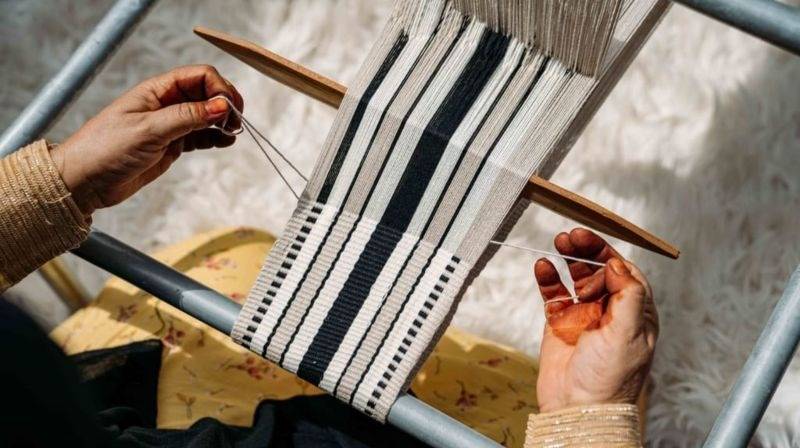
In a notable development, UNESCO also approved the transfer of Al Sadu from the List of Intangible Cultural Heritage in Need of Urgent Safeguarding to the Representative List. Al Sadu, a traditional Bedouin weaving craft, was first inscribed in 2011 due to concerns over its decline. The transfer follows years of sustained safeguarding programmes that ensured its revival and continuity.
Al Sadu involves weaving intricate geometric patterns using natural fibres to create tents, rugs and decorative items. The craft has long been central to Bedouin life, reflecting both practical needs and artistic expression. UNESCO’s decision recognises the success of national efforts in reintegrating the craft into contemporary cultural life and ensuring its transmission to younger generations.
Sheikh Salem bin Khalid Al Qassimi, Minister of Culture, described the inscription of four new elements as a significant milestone in the UAE’s cultural journey. He said it reflects the country’s commitment to strengthening the global presence of its heritage practices and highlighted the transfer of Al Sadu as evidence of effective collaboration between institutions and local communities.
Global recognition
Mohamed Khalifa Al Mubarak, Chairman of the Department of Culture and Tourism – Abu Dhabi, said the UNESCO recognition represents a strategic investment in the future of the nation’s identity. He noted that long-term programmes, community partnerships and cultural festivals have played a central role in keeping practices such as Al Ayyala, Al Bisht, the bride’s procession and Kohl active and visible.
He added that the successful transition of Al Sadu demonstrates how the dedication of master artisans and younger generations has transformed an endangered craft into a vibrant cultural expression recognised on the global stage.
With these additions, the UAE now has 19 elements inscribed on UNESCO’s Representative List. These include Falconry, Majlis, Arabic coffee, Date Palm traditions, Arabic calligraphy, Al Taghrooda, Harees and Henna. One element, Al Azi, remains on UNESCO’s List of Intangible Cultural Heritage in Need of Urgent Safeguarding, while further nominations continue in coordination with regional and international cultural organisations.