

Dubai during Ramadan 2026: 10 major changes residents need to know
The holy month will begin in UAE next month
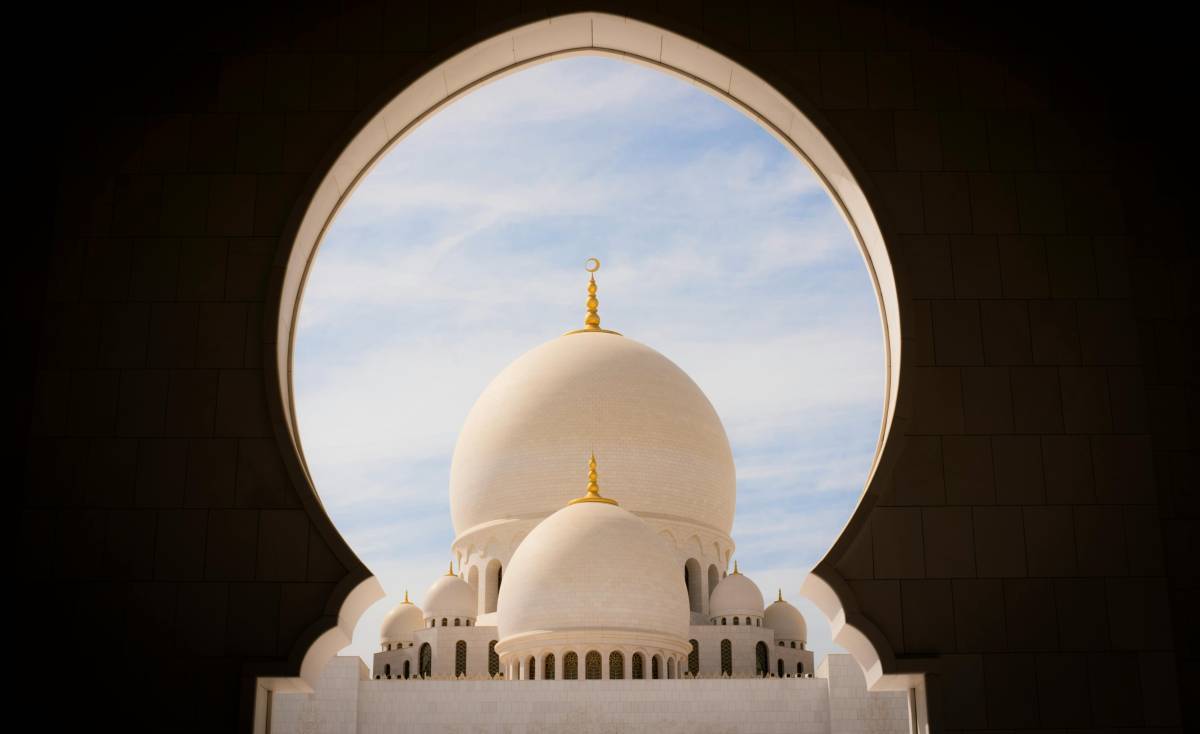
DUBAI – As Ramadan 2026 approaches, Dubai is preparing for a wide-ranging set of adjustments that will affect transport, working life, education, parking and daily routines across the emirate.
The holy month, observed by Muslims worldwide through fasting, prayer and reflection, traditionally brings operational changes across the UAE to align civic life with its spiritual rhythm.
Ramadan follows the Islamic lunar calendar, meaning its start date moves earlier by around 10 to 11 days each year. In 2026, Ramadan is expected to begin on February 17 and conclude around March 19, subject to official moon sighting. The exact start and end dates, as well as public holidays for Eid Al Fitr, will be confirmed closer to the time by UAE authorities.
Here is what will change across Dubai during Ramadan 2026, as the city adjusts transport rules, parking schedules, working hours, school timings and public services to align with the rhythm of the holy month.
Ramadan dates and public holidays
In 2026, Ramadan is expected to span 29 or 30 days, depending on moon sighting. Eid Al Fitr holidays in Dubai typically begin on the 29th of Ramadan and extend to the third day of Eid for both public and private sector employees, although final holiday lengths are announced closer to the end of the month.
Because the Hijri calendar is shorter than the Gregorian calendar, Ramadan continues to shift earlier each year. Residents and visitors are advised to check official announcements before planning travel, work schedules or school arrangements.
Salik toll timings and fees
Dubai’s Salik electronic toll system operates on variable pricing, and Ramadan brings a revised structure designed to reflect altered traffic patterns and shorter working hours.
Monday to Saturday
- Dh6 during peak hours: 9am to 5pm
- Dh4 during off-peak hours: 7am to 9am and 5pm to 2am
- Free from 2am to 7am
Sunday
- Free from 2am to 7am
- Dh4 during all other hours
The overnight toll-free window supports late-night movement linked to Suhoor and Ramadan social activity, while the adjusted peak period reflects daytime work travel.
Parking rules and fees
Public parking schedules in Dubai typically change during Ramadan, although exact timings are announced closer to the start of the month by Parkin and the Roads and Transport Authority (RTA).
In previous Ramadan periods, paid parking hours were split into two sessions, commonly:
- 8am to 6pm
- 8pm to 10pm
This model provided free parking during the early evening window around Iftar.
Separately, since August 2025, new rules around mosque-adjacent parking allow one hour of free parking during prayer times. Outside those hours, these zones operate as paid parking areas 24/7. Additional Ramadan-specific adjustments may apply, depending on location.
Multi-storey car parks continue to operate around the clock and remain paid at all times.
Reduced working hours
Working hours across Dubai are officially reduced during Ramadan to support fasting employees and family life.
Private sector
Employees receive a two-hour reduction in daily working hours, regardless of whether they are fasting.
Government sector
- Monday to Thursday: 9am to 2:30pm
- Friday: 9am to 12pm
Some government entities may also allow remote work or flexible arrangements, particularly on Fridays.
From January 2, 2026, Friday prayers across the UAE begin at 12:45pm, aligning with the shortened government workday and easing access to mosques.
School hours
School schedules across Dubai are also adjusted for the holy month.
- Students attend school for a maximum of five hours per day
- On Fridays, schools typically close at 11:30am
Exact start and finish times may vary between institutions, and parents are advised to confirm schedules directly with schools.
Paid parking in International City
From February 1, 2026, paid parking will officially be introduced in Dubai International City.
- Residents receive one free parking permit per residential unit
- Additional permits require a paid subscription
- Parking fees start from Dh2 for 30 minutes
- Maximum daily charge reaches Dh25 for 16 hours
This system mirrors similar subscription-based parking introduced earlier in Discovery Gardens.
Road closures
Several road closures are expected in February 2026 due to large-scale sporting events.
- February 8: Burj2Burj Marathon, affecting routes between Burj Khalifa and Burj Al Arab
- February 15: Spinneys Dubai 92 Cycle Challenge, starting from Expo City Dubai
- The RTA will announce confirmed closures and alternative routes closer to each event date.
Salik E-Wallet parking
Salik’s E-Wallet system has been rolled out across 7,400 parking spaces at Dubai International Airport, covering Terminals 1, 2, 3 and the Cargo Mega Terminal.
- Parking becomes ticketless for drivers with Salik accounts
- No additional charges apply
- Existing parking tariffs remain unchanged
Although launched in late January, its full impact is expected to be felt from February onwards.
Seasonal weather shift
Dubai enters another mild winter phase known as Durr Al Thamanin following the end of the extreme cold season in late January.
- Daytime temperatures average around 24°C
- Conditions are cooler by regional standards but remain sunny
This coincides with the early weeks of Ramadan, contributing to shorter and more manageable fasting hours compared with summer months.
Cultural season ahead of Ramadan and Eid
The Season of Wulfa, a new cultural initiative, launches across Dubai ahead of Ramadan and Eid Al Fitr.
- Spans 30 locations
- Includes 50 initiatives
- Covers neighbourhoods, markets and cultural destinations
The programme focuses on Emirati traditions, community bonding and cultural celebrations tied to Hag Al Leila, Ramadan and Eid.