

From Sphere Abu Dhabi to Al Rams Waterfront: UAE’s biggest tourism projects in 2026
New experiences combine entertainment, culture, nature and sustainable development
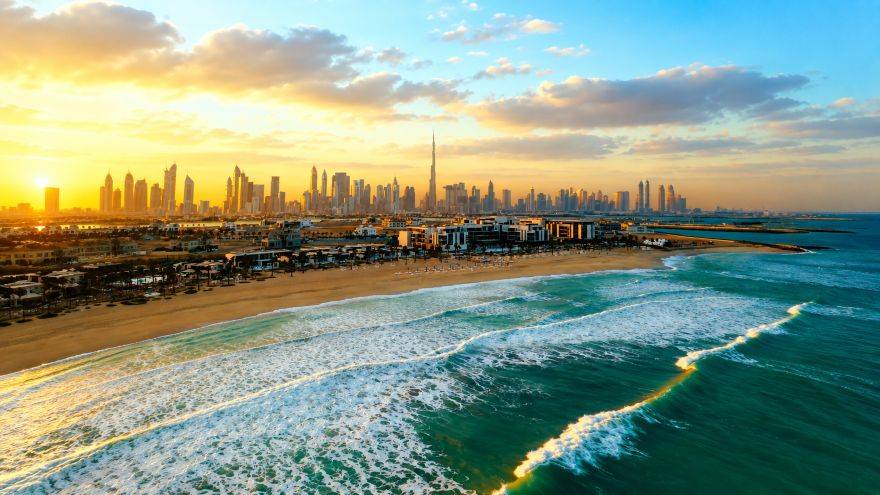
DUBAI – The United Arab Emirates (UAE) is expanding its tourism and leisure offering in 2026, with major projects taking shape across several emirates.
From a landmark entertainment venue on Yas Island to new waterfronts, beaches and nature-focused destinations, the developments are adding new dimensions to the country’s visitor economy. Investments span entertainment, hospitality, recreation, culture and environmental projects, supporting the UAE’s wider ambitions to strengthen its position as a global tourism destination.
The latest developments also reflect a growing focus on destinations that combine tourism with community facilities, local identity and sustainable design. Here is a look at some of the major projects taking shape across the emirates.
Abu Dhabi
Yas Island is set for one of the UAE’s most significant entertainment developments after Sphere Abu Dhabi was selected as the site for the first Sphere venue outside the United States.
The construction phase of the project is expected to cost US$1.7 billion. The venue will be located between Yas Mall and SeaWorld Abu Dhabi and will have capacity for up to 20,000 people.
Sphere Abu Dhabi is planned to host immersive experiences, concerts, sporting events, conferences and other major occasions. The venue is also expected to showcase Emirati culture while providing a platform for local and Arab creative talent.
Yas Island is simultaneously receiving further investment from Miral, which has announced more than Dh12 billion in spending over the next five years. The programme will support new developments and the expansion of existing attractions, including theme parks, immersive rides and entertainment experiences.
The investment forms part of Abu Dhabi Tourism Strategy 2030 and is set to further develop Yas Island as a major leisure and tourism hub.
Dubai
Dubai is adding new nature, recreation and beach destinations to its tourism portfolio.
The Al Layan Oasis project, approved in February, will cover one million square metres and include a lake spanning more than a quarter of a million square metres. The development will feature walking and cycling tracks, family and events areas, an outdoor cinema, camping facilities for 100 caravans, retail outlets and other recreational services.
The project is being developed around a sustainable natural environment, adding another large-scale outdoor destination to Dubai’s leisure landscape.
Meanwhile, Dubai has approved a Dh500 million master plan to redevelop Umm Suqeim Beach into an integrated destination operating throughout the day.
The redevelopment is expected to increase the beach’s capacity to around six million visitors annually. Plans include upgraded facilities, parking areas, walking and cycling tracks, a 38-metre observation tower and a two-kilometre coastal retaining wall.
Smart technologies and artificial intelligence will also be used in facilities management as part of the redevelopment.
Sharjah
Sharjah’s east coast is seeing major development in Khorfakkan, including the Abu Al Keizan Marine Village.
The foundation stone was laid this year for the seven-million-square-foot project, which draws inspiration from traditional coastal villages while incorporating Islamic architectural elements and local identity.
The development will include a small natural harbour carved between rocks, a boulevard, beach, green spaces, hotel facilities, commercial and office spaces, residential units and a mosque. It comprises 201 plots designated for 285 buildings, with the development designed to protect the surrounding natural environment and marine life.
Khorfakkan has also welcomed the Dh700 million Khorfakkan Resort, adding another major tourism and residential project to the coastal city.
The resort features 573 residential units and 16 retail outlets, alongside a gym, 100,000 square feet of elevated green spaces, outdoor swimming pools, children's sports and recreation areas, a private beach and integrated hotel services.
Ras Al Khaimah
Ras Al Khaimah is advancing work on Al Rams Waterfront and Al Rams Boulevard as part of efforts to create an integrated destination combining leisure, community facilities and sustainable development.
The Al Rams waterfront stretches for 2,000 metres and will include dedicated walking, cycling and jogging tracks. Plans also provide for public facilities, parking, green spaces, playgrounds and plazas designed to accommodate community events.
The project adds to the emirate’s growing portfolio of coastal destinations while incorporating recreational spaces and facilities aimed at residents and visitors.
Ajman
Ajman is expanding its tourism appeal through a mix of mountain, heritage and nature-based experiences. In February, the emirate unveiled the Masfout Gate in the mountainous Masfout region as part of efforts to strengthen rural tourism and cultural development. The landmark covers around 500 square metres, rises 16 metres and includes a 40-metre architectural walkway designed as a gateway to the area.
The emirate is also planning further investment in its wider tourism and visitor infrastructure. Ajman currently has around 4,500 hotel rooms, with additional hospitality projects under development, while the average visitor stay has reached around 4.2 nights, according to the Ajman Department of Tourism, Culture and Media.
A separate Dh1.8 billion development programme covering 30 projects over five years is also set to improve roads, cycling networks, green spaces and public facilities, including upgrades around Al Zorah and other areas.
Umm Al Quwain
Umm Al Quwain is building its tourism identity around its coastline, mangroves, outdoor recreation and eco-tourism. The emirate has introduced new nature-focused experiences, including Casa Mikoko and LuxeGlamp, with the latter located within the Umm Al Quwain Mangrove Reserve and designed around environmentally conscious accommodation and nature experiences.
Another addition is Arqoob, a destination combining camping, off-road activities, cycling and motorsports with family, cultural and artistic experiences. The facility has opened to visitors, with further phases planned to expand its attractions and facilities.
Umm Al Quwain is also developing the much larger Downtown Umm Al Quwain coastal project. The 25-million-square-foot masterplan includes an 11-kilometre coastline, with 7 kilometres of natural beaches and parks, alongside residential communities, hotels, commercial areas and recreational attractions.
Fujairah
Fujairah is strengthening its position as a nature, adventure and heritage destination on the UAE's east coast. One of the most notable developments for visitors in 2026 is the controlled reopening of Wadi Wurayah to the public. The UNESCO-listed reserve began welcoming visitors through organised group tours in January, allowing access while protecting its sensitive mountain ecosystem.
The emirate is also gaining a major connectivity boost. Etihad Rail's Fujairah passenger station at Hilal City is among the first passenger stations being introduced in 2026, with the national passenger network expected to connect 11 cities and regions. Once fully operational, passenger services are expected to carry around 10 million passengers annually, while the Dubai-Fujairah journey is projected to take about 69 minutes.
Fujairah's official tourism platform continues to promote its combination of Hajar Mountain landscapes, beaches, coral reefs, historic forts, villages and outdoor experiences, giving the emirate a tourism profile distinct from the UAE's major metropolitan destinations.
Seven-emirate push
The expansion comes as the UAE moves towards presenting the country as a more integrated tourism destination. At Arabian Travel Market 2026, the Ministry of Economy and Tourism launched Visit UAE, the country's first unified federal tourism identity, alongside the UAE Grand Tour platform.
The new platform offers itineraries covering all seven emirates, with trips of up to 14 days, allowing visitors to combine destinations rather than limiting their UAE holiday to a single emirate.
The first bookable packages include an 11-day itinerary covering all seven emirates, with prices starting from Dh10,446 per person, according to Gulf News. The route includes attractions in Fujairah and Ras Al Khaimah, passes through Umm Al Quwain and also incorporates Abu Dhabi and Al Ain.