

Fujairah’s Wadi Wurayah moves closer to UNESCO World Heritage recognition
A rare ecosystem thriving among the Hajar Mountains

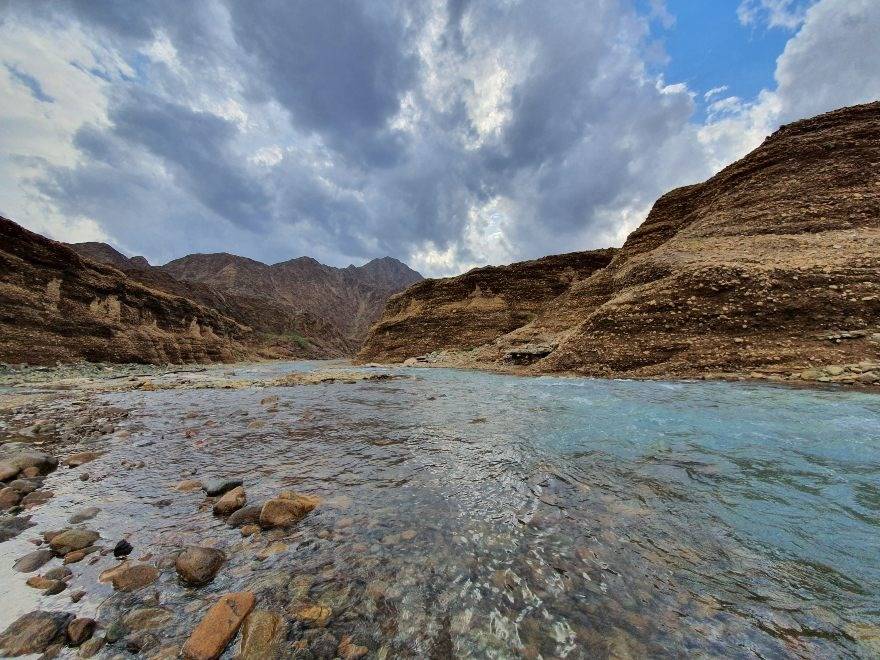
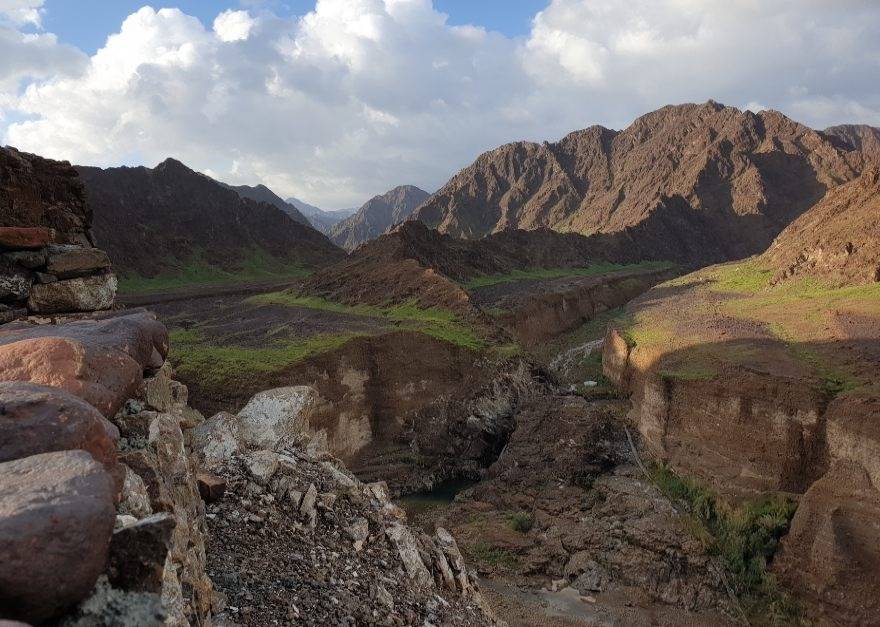
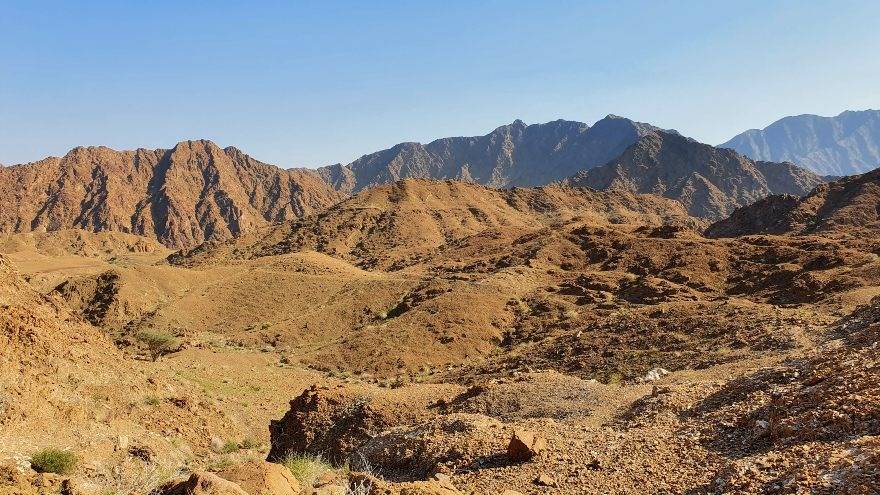
FUJAIRAH – Deep in the Hajar Mountains of Fujairah, around 45 kilometres from the city, Wadi Wurayah stands as one of the UAE’s most significant natural treasures.
The protected landscape, shaped by perennial springs and mountain waterways, supports a remarkable range of biodiversity and reflects the country’s efforts to preserve its environmental heritage. With its unique ecosystem and global ecological importance, the wadi is now gaining international attention through its nomination for the UNESCO World Heritage List.
Wadi Wurayah is more than a nature reserve; it is a complete ecological system covering 220 square kilometres. The area is home to more than 1,099 species of living organisms, including 216 plant species, 114 bird species, 20 mammal species, and 30 reptile and amphibian species. Rare and endangered wildlife, including the Arabian Tahr and Blanford’s Fox, along with other species such as the caracal, contribute to its status as one of the region’s most important natural habitats.
Natural haven
The wadi is distinguished by its permanent natural waterfall and freshwater springs, which have supported life in the mountainous region for centuries. These water sources have helped create an exceptional ecosystem where rare plants and wildlife continue to thrive.
Among its notable botanical discoveries is the wild orchid (Epipactis veratrifolia), recognised as the only orchid species of its kind found in the United Arab Emirates. The area’s diverse habitats have also made it an important location for environmental research, with scientific studies helping rediscover rare organisms and document their presence within the reserve.
The research conducted in Wadi Wurayah has strengthened its reputation as a natural laboratory for studying biodiversity in the Arabian Peninsula. Its combination of geological formations, freshwater systems, and mountain habitats provides valuable insight into ecological processes that have continued for thousands of years.
Heritage value
Beyond its environmental importance, Wadi Wurayah carries deep historical and cultural significance. For generations, it has been connected with the lives of local communities and remains closely linked to Fujairah’s heritage. The wadi is located near several important historical landmarks, including Al Bidyah Mosque, the oldest standing mosque in the UAE, highlighting the long-standing relationship between people and nature in the region.
The UAE has submitted a nomination file for Wadi Wurayah to be recognised as a natural site of Outstanding Universal Value on the UNESCO World Heritage List. The nomination focuses on Criterion (ix), which highlights areas representing ongoing ecological and biological processes of global significance.
The submission highlights Wadi Wurayah’s rare combination of mountain landscapes, perennial freshwater springs, and natural habitats that have preserved one of the Arabian Peninsula’s most distinctive mountain desert ecosystems.
Global recognition
The UNESCO nomination builds on a series of national and international recognitions received by Wadi Wurayah over the years. The site was declared a nature reserve in 2009 and was added to the list of wetlands of international importance under the Ramsar Convention in 2010.
In 2013, Wadi Wurayah became the UAE’s first national park, further strengthening conservation efforts in the area. It was later registered as a Biosphere Reserve under UNESCO’s Man and the Biosphere Programme in 2018.
As part of the ongoing follow-up to the international nomination, the Fujairah Environment Authority is participating in the work of the UNESCO World Heritage Committee, hosted by Busan in the Republic of Korea from July 19 to 29 this year, in coordination with relevant national authorities.