

UAE eases entry measures for Uganda after Ebola outbreak ends
Precautionary rules remain for two other African countries
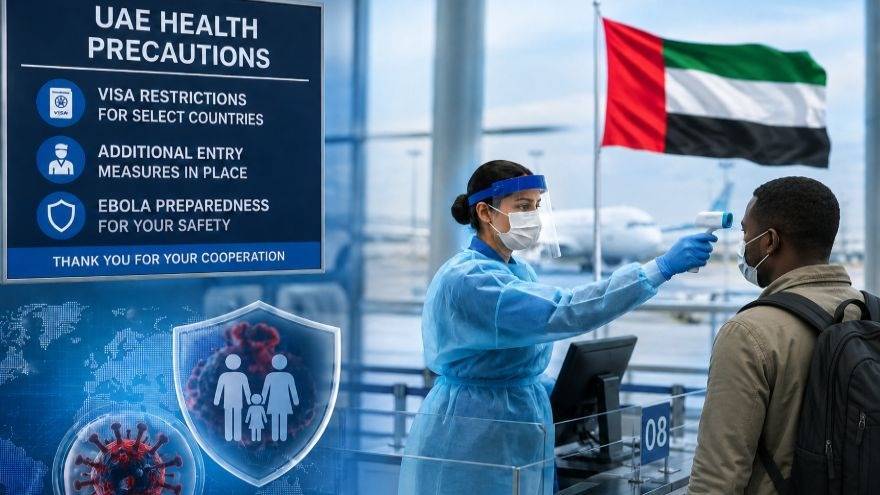
ABU DHABI – The UAE has eased precautionary entry measures introduced for Ugandan nationals in June 2026 in response to developments related to the Ebola virus.
The decision was announced by the National Emergency Crisis and Disaster Management Authority (NCEMA) in coordination with the Ministry of Health and Prevention (MoHAP) and the Federal Authority for Identity, Citizenship, Customs and Port Security (ICP).
It follows an assessment of the latest epidemiological developments in Uganda, including the end of the Ebola outbreak after the completion of the internationally established monitoring period.
UAE-Uganda travel
The easing of the measures means the precautionary entry requirements introduced in response to the Ebola situation in Uganda will no longer apply in their previous form.
Authorities said the decision reflects the latest public health assessment and developments surrounding the outbreak. The UAE has continued to monitor the epidemiological situation closely while reviewing the measures implemented to protect public health.
The authorities stressed that the decision follows the completion of the required monitoring period after Uganda's Ebola outbreak ended.
Two countries remain
Precautionary measures currently applicable to the Democratic Republic of the Congo and South Sudan will remain in place.
NCEMA, MoHAP and ICP said the measures for these countries reflect their ongoing epidemiological situations. The authorities will continue monitoring regional and international developments related to Ebola and reassessing the risks as new information becomes available.
The UAE said precautionary measures remain subject to ongoing review and may be adjusted when necessary in line with evolving risk assessments and approved public health standards.