

Exploring Dubai’s heritage landmarks on World Tourism Day 2025
The emirate’s heritage and modernity attract millions of international visitors annually
DUBAI – As the world marks World Tourism Day, Dubai takes centre stage as a global tourism leader celebrated for its cultural richness, heritage landmarks, and modern vision.
This year’s official theme, “Tourism and Sustainable Transformation”, set by the United Nations World Tourism Organization (UN Tourism), highlights the vital role of the sector in driving inclusive, resilient, and environmentally responsible growth.
The international celebration is officially hosted in Melaka, Malaysia, yet Dubai’s presence on the global tourism map remains particularly significant.
Recognised as the No. 1 global destination in the 2024 Tripadvisor Travellers’ Choice Awards for the third consecutive year, Dubai is the first city worldwide to achieve this milestone.
Its seamless blend of innovation and tradition has positioned it as a beacon for cultural exchange, attracting millions of international visitors who seek both modern luxury and timeless heritage.
Heritage treasures
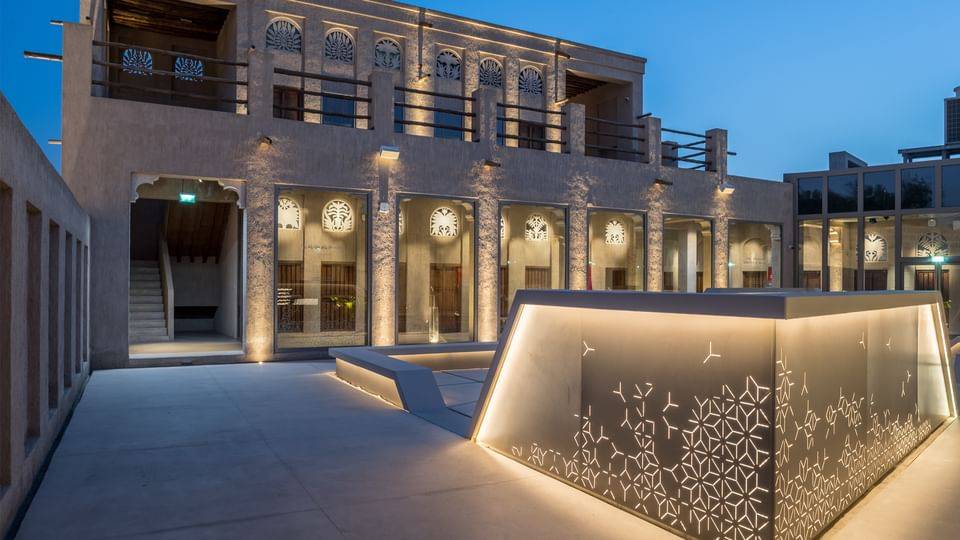
At the heart of Dubai’s cultural tourism strategy lies the Dubai Culture and Arts Authority (Dubai Culture), which manages an expanding portfolio of heritage and cultural sites. The emirate is home to five museums, five heritage districts, and 17 archaeological sites, each contributing to the city’s identity as a living museum of history and creativity.
Among its cultural highlights, Al Shindagha Museum stands out as the UAE’s largest open-air heritage museum, offering a journey through Dubai’s traditions and daily life. The museum presents unique cultural pathways that highlight local customs while connecting visitors to the emirate’s past. Similarly, the Etihad Museum provides a dynamic narrative of the UAE’s unification, tracing pivotal events between 1968 and 1974 through exhibitions and educational programmes.
Equally captivating is the Al Fahidi Historical Neighbourhood, a labyrinth of narrow alleyways, wind towers, and restored houses. This area transports visitors back to the mid-19th century, offering a glimpse into Dubai’s architectural and cultural evolution.
Beyond the city
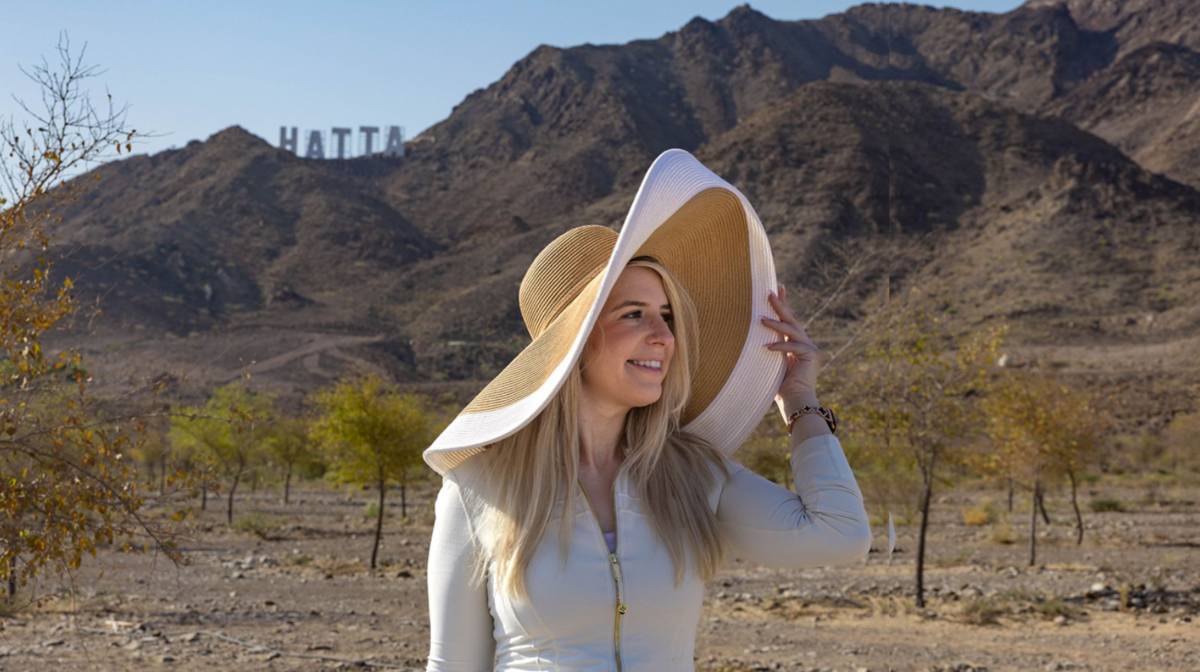
Beyond the metropolis, Dubai’s Hatta region has gained global recognition. In 2023, Condé Nast Traveler listed Hatta among the 50 most beautiful small cities in the world. Its Hatta Heritage Village showcases traditional mountain architecture while serving as a hub for cultural preservation, bridging the past with the present. Visitors can explore both the natural landscapes and the cultural traditions distinctive to this part of Dubai.
The emirate’s archaeological sites further expand its appeal. With discoveries spanning more than 300,000 years, from the Stone Age to the late Islamic periods of the 19th century, Dubai offers a rare depth of heritage. Among these sites, Saruq al-Hadid, uncovered in 2002 by His Highness Sheikh Mohammed bin Rashid Al Maktoum, Vice President, Prime Minister and Ruler of Dubai, remains one of the richest archaeological discoveries in the southeastern Arabian Peninsula. Artefacts from the site are now displayed in the Saruq al-Hadid Museum in Al Shindagha Historic Neighbourhood.
The Jumeirah Archaeological Site, dating back to the Islamic era between 900 and 1800 AD, provides further insight into Dubai’s historical importance during the Abbasid Caliphate, making it a significant stop for visitors with an interest in heritage.
Dubai’s cultural tourism
Commenting on the emirate’s role, Muna Faisal Al Gurg, CEO of the Culture and Heritage Sector at Dubai Culture, emphasised that cultural tourism strengthens both the tourism industry and Dubai’s economy: “Dubai’s cultural diversity, blending modernity with tradition, and its vast array of artistic and creative events, enhances the strength of its tourism and reflects the city’s vibrant identity. At Dubai Culture, we are committed to enhancing cultural tourism in the emirate through various projects and initiatives aligned with our cultural responsibility of safeguarding our tangible and intangible heritage.”
According to Dubai’s Department of Economy and Tourism, cultural tourism has seen a 10 percent year-on-year increase, underscoring the sector’s contribution to GDP and cementing Dubai’s reputation as a premier destination for visitors seeking cultural discovery alongside world-class hospitality.