

UAE weather: Rain returns to Fujairah and Khor Fakkan with seasonal mountain clouds
NCM says fair skies prevail across most of the country
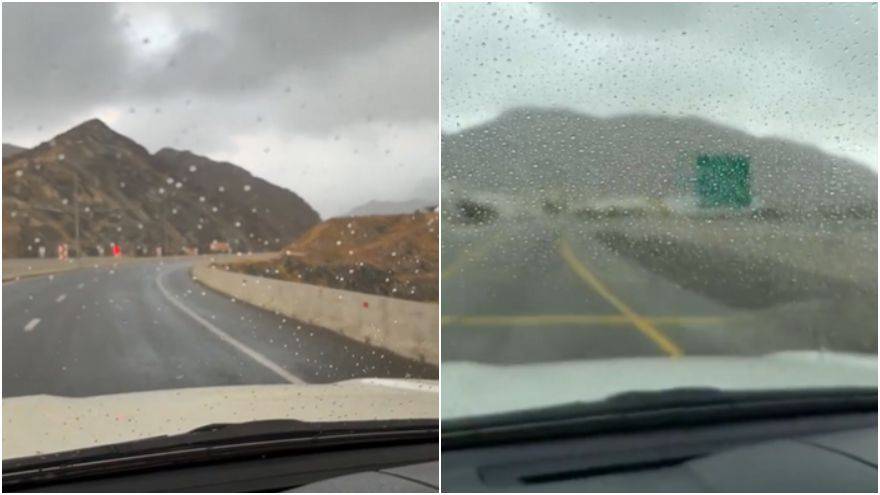
DUBAI – Residents along the UAE's eastern coastline were greeted by refreshing showers on Friday as light to occasionally moderate rain fell across parts of Fujairah and Khor Fakkan, offering a welcome break from the summer heat.
The rainfall arrived despite forecasts of generally fair weather across the country. Low clouds, cooler temperatures and misty mountain scenery briefly transformed the region into an autumn-like landscape.
الامارات : الان تساقط زخات من الأمطار على الساحل الشرقي جهة جبال الفجيرة وخورفكان #أخبار_الإمارات #مركز_العاصفة
— مركز العاصفة (@Storm_centre) July 3, 2026
3_7_2026 pic.twitter.com/H0rhrsNzVQ
Videos shared online showed dark, overcast skies stretching across the eastern coast, with rain moving towards the Hajar Mountains. In some areas, the showers intensified, reducing visibility as steady rainfall continued.
Seasonal pattern
According to the National Centre of Meteorology (NCM), the rainfall was linked to the seasonal formation of Al Marawih convective clouds over the Hajar Mountains. The weather system develops when moist air from the Sea of Oman is pushed inland and forced to rise over the mountains.
الامارات :شاهد جمال الأجواء الان مع تساقط زخات من الأمطار على الساحل الشرقي جهة جبال الفجيرة وخورفكان #أخبار_الإمارات #مركز_العاصفة
— مركز العاصفة (@Storm_centre) July 3, 2026
3_7_2026 pic.twitter.com/L2WiqjlQZG
As the air cools at higher elevations, towering cumulonimbus clouds form, creating conditions favourable for thunderstorms and localised rainfall. The NCM had forecast generally fair conditions across the UAE, with only low clouds expected over the eastern coast and rising temperatures inland.
Forecasters said Al Marawih clouds were likely to become active over the Hajar range and nearby border areas during the afternoon, carrying the potential for isolated thundery showers. Winds were expected to remain light to moderate, becoming fresh at times, while seas in both the Arabian Gulf and the Sea of Oman were forecast to remain slight.
Recurring showers
Summer rainfall in Fujairah and surrounding mountainous areas is a familiar weather feature, driven by the low monsoon pressure system extending from India. Similar conditions were recorded on June 14, when showers spread across the Eastern Region and triggered waterfalls in Khor Fakkan's mountain valleys.
Following that rainfall, the NCM had indicated that further convective activity could develop during the season, with afternoon cloud build-up increasing the possibility of more localised showers over eastern parts of the country.
Heavy weather
While most summer rainfall remains localised, the UAE also experiences more significant weather events from time to time. One of the season's strongest storms occurred on March 25, bringing widespread downpours, flooding roads and disrupting traffic across several emirates.
Al Tawiyen recorded the highest rainfall at 47.9mm, followed by Al Marjan with 39.7mm. Khor Fakkan received 33.3mm, while Khatam Al Shaklah recorded 31.6mm and Khor Fakkan Port measured 28.3mm. The storms uprooted trees in some areas, including Ajman, while residents worked together to clear affected roads and maintain safety during the severe weather.