

Pakistan shuts key air routes again following India strikes
Airlines reroute flights amid major disruptions in Lahore and Islamabad
DUBAI/LAHORE: Pakistan has once more closed vital portions of its airspace, including routes over Lahore, in response to escalating regional tensions following Indian military strikes.
The Pakistan Airports Authority (PAA) confirmed Wednesday evening the issuance of a Notice to Airmen (NOTAM), announcing a 24-hour closure of commercial air traffic on air routes J-139, J-165, and J-186.
The decision comes just hours after partial resumption of services, adding fresh confusion to flight schedules. Passengers and airlines were urged to remain alert, as the aviation landscape in the region continues to shift rapidly.
Key routes blocked
Flights from Islamabad are now required to obtain special clearance from Lahore’s Air Traffic Control before landing. The newly suspended corridors are crucial for both domestic travel and international connections. Airlines operating within and beyond Pakistan scrambled to adapt to the sudden route restrictions.
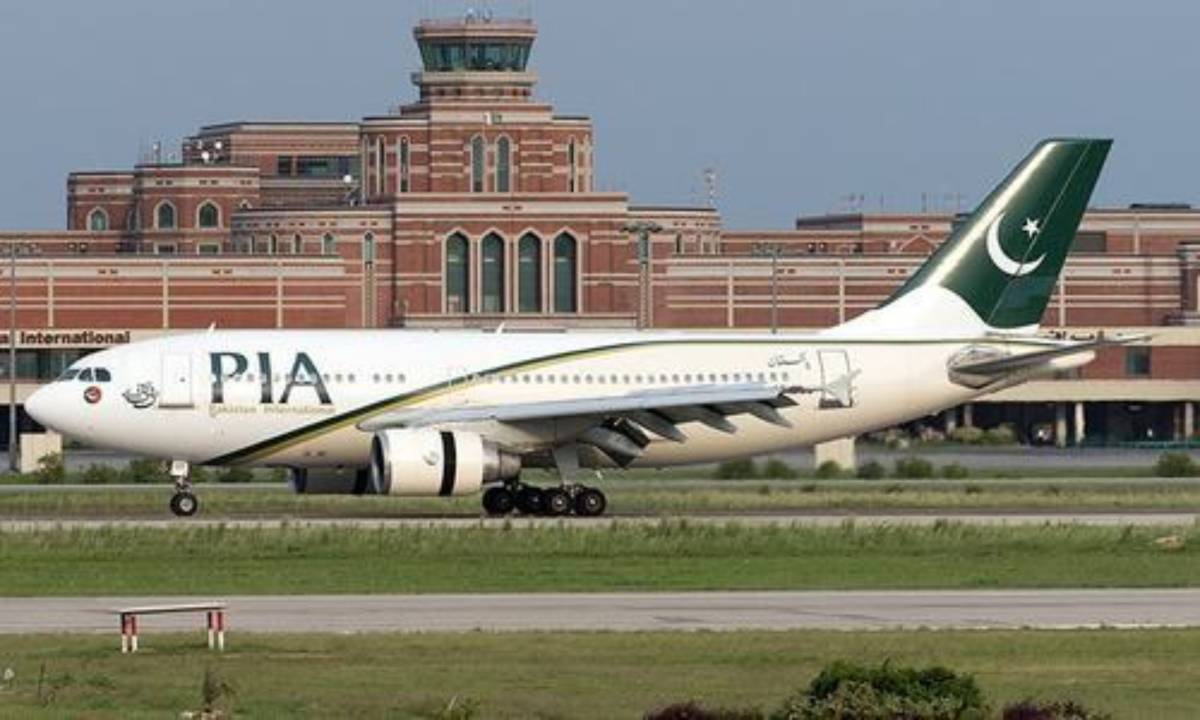
Earlier in the day, Islamabad International Airport had halted all flight operations. Saudi Airlines flight SV-726, due to land in Islamabad, was rerouted to Karachi. While some operations – especially PIA services to Madina, Karachi, and Islamabad – have resumed under strict control, no other airline has confirmed a restored schedule as yet.
Tensions ripple regionally
The closure follows recent airspace suspensions across the country after a reported Indian missile strike triggered security alarms. Airports in Lahore, Karachi, Faisalabad, and Sialkot were affected, with all flights halted for an initial 48 hours. The civil aviation authority directed passengers to stay home as the situation unfolded.
Flight tracking site FlightRadar24 showed an eerie lack of aircraft over Pakistani skies, while several international flights were observed rerouting over the UAE, Oman, and Kuwait.
An update on flight cancellations logged in India and Pakistan as of 10:30UTC.
— Flightradar24 (@flightradar24) May 7, 2025
???????? 430 cancellations (3% of scheduled flights)
???????? 147 cancellations (17% of scheduled flights) https://t.co/dqUn09NbLW
Airlines including Emirates, Turkish Cargo, Saudia, and Finnair diverted operations. Air France suspended flights over Pakistan entirely, as did German carrier Lufthansa.
Pakistan's authorities revealed that 57 international flights were airborne within its airspace when the Indian strike occurred. A statement from Prime Minister Shehbaz Sharif’s office accused India of endangering lives by jeopardising regional air traffic safety.
Airlines scramble globally
The consequences extended far beyond South Asia. Korean Air began rerouting its Incheon–Dubai flights through Bangladesh and India. Singapore Airlines stopped flying over Pakistani airspace from 6 May. China Airlines reported major disruptions on routes to London, Frankfurt, and Rome.
Thai Airways shifted multiple Europe-bound flights, while Lufthansa added an extra 30 minutes to its Delhi–Frankfurt route. IndiGo, India’s largest airline, cancelled 165 flights.

Air India suspended services to northern cities like Leh, Srinagar, Amritsar, and Jammu, and diverted international routes intended for Punjab.
#TravelAdvisory
— Air India (@airindia) May 7, 2025
Air India flights to and from the following stations – Jammu, Srinagar, Leh, Jodhpur, Amritsar, Bhuj, Jamnagar, Chandigarh and Rajkot – are being cancelled till 0529 hrs IST on 10 May following a notification from aviation authorities on closure of these…
KLM also pulled out of Pakistani skies, while India's aviation ministry has yet to comment officially.
Safety fears mount
The Association of Asia Pacific Airlines raised alarms over rising flight risks in the region, citing GPS spoofing – a digital manipulation of aircraft navigation systems – as one of the industry’s most critical threats in active conflict zones. The group warned of operational chaos, increased fuel costs, and extended flight times as airlines dodge troubled airspace.
With Pakistan and India both restricting overflights, and multiple Middle Eastern routes experiencing heavier congestion, travellers across continents may face further delays. Passengers have been urged to remain in touch with their respective carriers and avoid airport visits unless flights are confirmed.