

Flexi Rent: How Dubai Land Department’s new rental model works for tenants
New framework introduces structured flexibility for modern housing needs
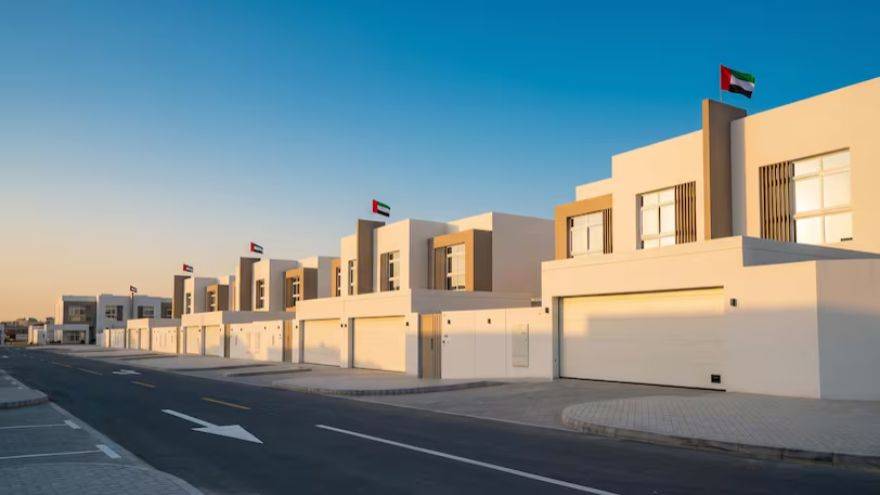
DUBAI – The Flexi Rent initiative, launched by the Dubai Land Department (DLD), introduces a new approach to how rental payments are structured across the emirate.
Rather than relying on traditional annual or limited-cheque contracts, the initiative aims to give tenants more control over how and when they pay rent. It is part of a wider effort to build a more flexible, sustainable, and resident-focused real estate system aligned with the Dubai Real Estate Sector Strategy 2033.
Flexi Rent
At its core, Flexi Rent is designed to reduce the financial pressure often associated with large upfront rental payments. It introduces alternative payment structures such as monthly, quarterly, and semi-annual instalments, depending on the property and landlord participation. The model is not a replacement for existing tenancy laws but an additional framework that expands options for eligible tenants within approved regulations.
The initiative also reflects a broader shift in Dubai’s housing policy, focusing on accessibility and quality of life. By allowing more predictable and evenly distributed payments, the system is intended to help residents manage household budgets more efficiently while supporting long-term rental stability in a fast-growing market.
How it works
Flexi Rent operates through agreements between Dubai Land Department and participating real estate companies. In the initial phase, 12 major property firms have signed cooperation agreements to implement the model across eligible units. These include Wasl Properties, Deyaar Property Management, Dubai World Real Estate, Modern Real Estate, Dubai Investment Real Estate, SBK Real Estate, Rocky Real Estate, SRG Properties, Harbor Real Estate, Driven Properties, and Al Showaib Real Estate.
Under this structure, landlords and property managers are responsible for offering flexible payment plans to tenants occupying vacant or eligible units. These plans may include monthly instalments, extended schedules, or in some cases promotional incentives such as discounts or rental benefits for new tenants.
Tenants currently on traditional annual or multiple-cheque contracts may also request revised arrangements, subject to landlord participation and property eligibility. This introduces a level of negotiation and adaptability that is not typically available under standard rental agreements.
Role of partners
The participating real estate companies play a central role in making the initiative operational. They manage tenancy contracts, process payments through approved systems, and ensure that tenants are clearly informed about available payment options. They are also responsible for applying any incentives or discounts according to their internal policies and regulatory guidelines.
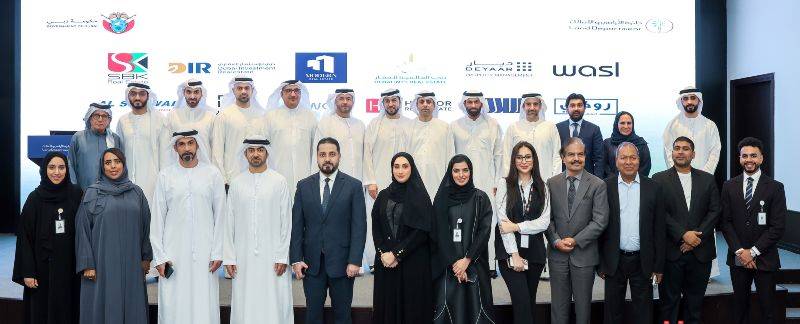
Dubai Land Department, meanwhile, acts as the regulatory and coordinating authority. It provides the framework for implementation, supplies technical and procedural guidance, and ensures that all participating entities comply with legal requirements. It also supports system integration where required and facilitates communication through official platforms such as the Dubai REST app and other digital channels.
This partnership-driven approach is intended to ensure that Flexi Rent is not limited to a policy announcement but becomes a practical, working model within the rental market.
Benefits for tenants
For tenants, the most immediate impact of Flexi Rent is improved payment flexibility. Instead of being required to commit to large lump-sum payments or a small number of post-dated cheques, residents can spread rent payments across shorter intervals. This helps reduce financial strain and allows for more predictable monthly planning.
In certain cases, tenants may also benefit from waived administrative charges linked to delayed cheque processing or revised payment arrangements. While not universal, these concessions add another layer of financial relief for eligible residents.
Beyond cost management, the initiative also contributes to greater housing stability. More flexible payment structures can reduce the risk of missed payments and help tenants maintain continuity in their housing arrangements, particularly in a market that recorded nearly 1.2 million tenancy contracts last year, including both new agreements and renewals.
Oversight and evaluation
Flexi Rent is being introduced in a phased manner, beginning with participating companies before potential expansion across Dubai’s wider real estate sector. During this pilot stage, performance will be closely monitored using specific indicators.
These include the number of units enrolled in the programme, tenancy contracts signed under the Flexi Rent model, occupancy levels, payment compliance rates, and the uptake of flexible payment options. Tenant feedback, including complaints and resolution timelines, will also be tracked to assess user experience.
This structured evaluation is intended to ensure that the initiative remains practical, effective, and responsive to real market conditions before broader rollout.
Wider direction
The introduction of Flexi Rent reflects Dubai’s ongoing push to modernise its real estate sector and align it with long-term economic and social goals under the Dubai Economic Agenda D33. By introducing flexibility into rental systems, the initiative supports a more adaptable housing market that responds to both tenant needs and market dynamics.
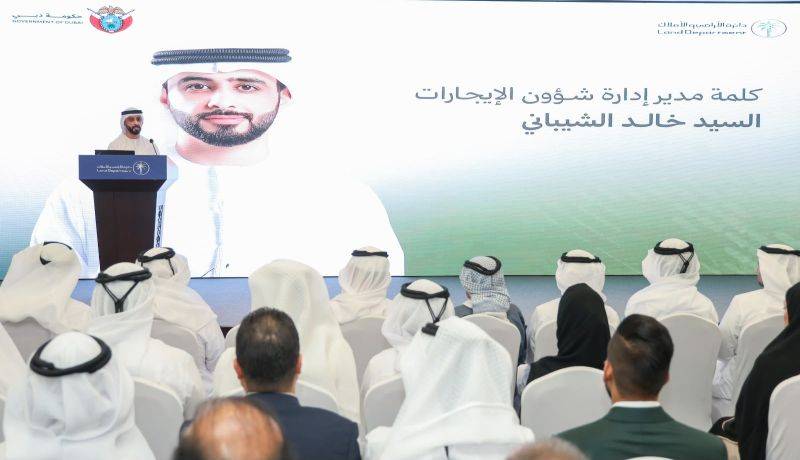
Officials have indicated that such initiatives will continue to evolve, with further enhancements expected as part of Dubai’s broader real estate transformation strategy. The focus remains on building a system that balances regulatory stability with practical solutions for residents, while reinforcing Dubai’s position as a global destination for living and investment.